What is memory? Is it an electric spark or a chemical product? Is it deposited in one place? All that you have learned, felt, and experienced in your life is memory, but it’s not like books stored unchanged on a library shelf.
Scientists and psychiatrists agree that memory is the brain’s ability to encode, store, and retrieve information from experience. Memories are always edited by the brain before storage, causing the brain itself to change constantly. At the biological level, memory involves changes in connections among neurons. It’s what makes us “us.”
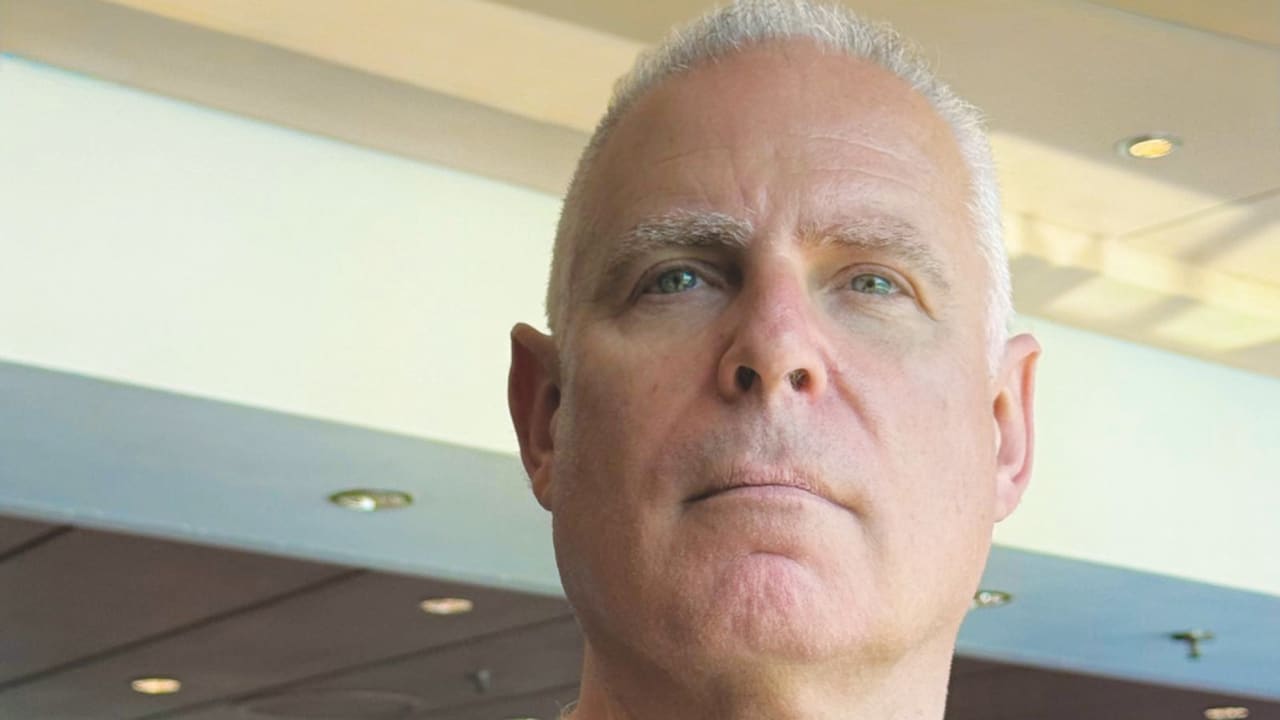
Jerusalem District Health Office chief psychiatrist Dr. Ya’akov (Koby) Chernes has spent more than three decades studying the brain, memory, emotions, neurological diseases, and the effects of trauma.
In an extensive interview with The Jerusalem Post at his office in the 144-year-old building in downtown Jerusalem, Chernes said: “What would life be without memory – if all the things you know, did, and recognize were deleted from your brain? Suppose in a single moment that all of our memories were erased at once – like a file deleted on a computer.
You wouldn’t know where you live, whom you married, if you had children, what you have done with your life until then, what’s your profession, or how to write with a pen or open the refrigerator. An individual without memory is lost. They have lost their existence.
Continue Reading on The Jerusalem Post
This preview shows approximately 15% of the article. Read the full story on the publisher's website to support quality journalism.