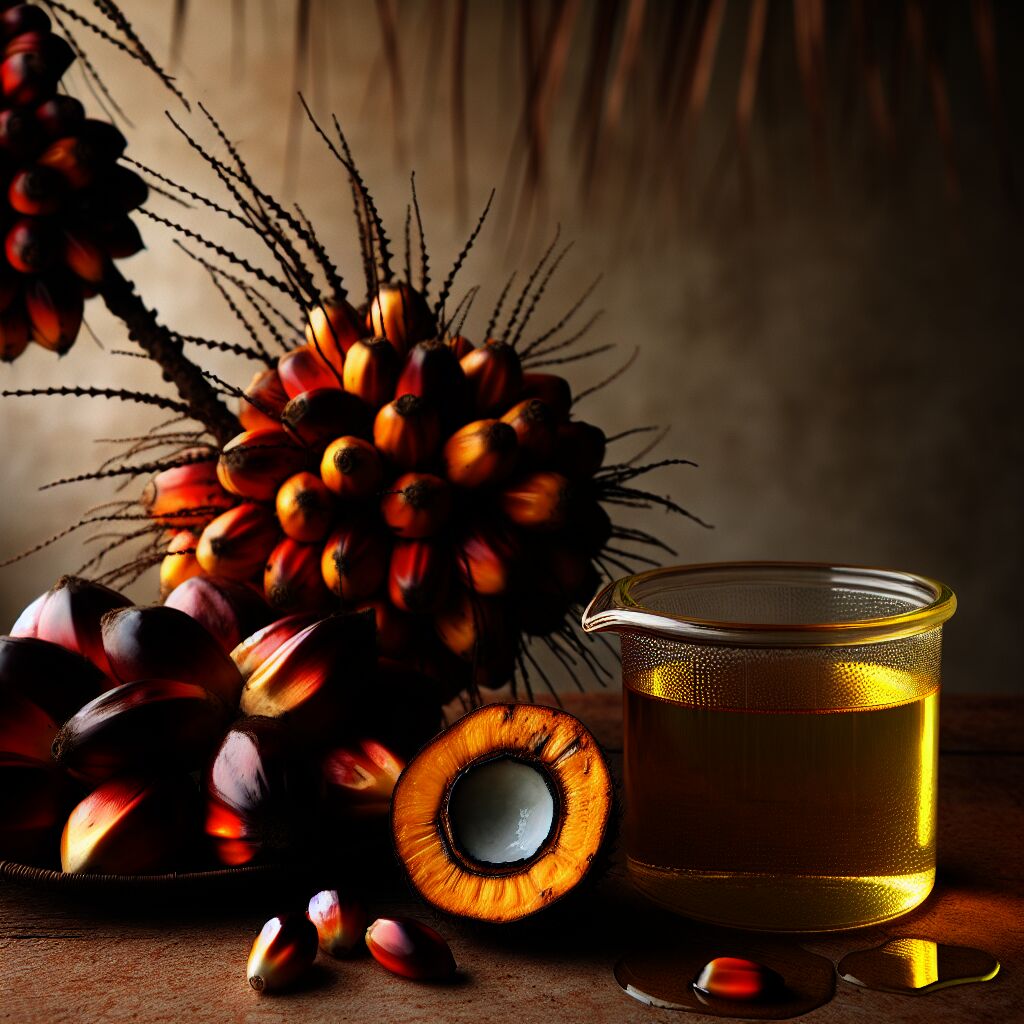
IF I were palm oil, I would not arrive with a flourish. No red carpet. No celebrity endorsement. No influencer pausing mid-sentence to gasp.
I enter the wok, not the spotlight. I arrive the way I always do – quietly, confidently, already hot – slipping into a waiting pan, shimmering with purpose, while humans argue loudly about who invented what.
During the Covid-19 lockdowns, my family and I binge-watched Shokugeki no Soma (Food Wars).
It was outrageous and theatrical: teenage chefs duelled with spatulas like samurai swords, judges swooned dramatically, and dishes triggered reactions that defied physics – and modesty.
Absurd? Yes. Entertaining? Absolutely. Uncomfortably accurate? Also yes.
Because long before anime dramatised culinary combat, humanity had perfected it. We simply don’t call it Shokugeki. We call it Food-Origin Wars.
When recipes demand passports
“Who invented this dish?” Few questions ignite more arguments than politics, football – or durian preferences.
Food, it seems, must now carry a birth certificate.
But food has never liked bureaucracy. It migrates. It adapts. It marries local ingredients. It learns new accents without losing its soul.
Chicken tikka masala tells this story beautifully. Declared by Britain in 2009 as a “true national dish,” it raised eyebrows across India and drew knowing smiles from Bangladeshi chefs who had long cooked it in British curry houses.
Punjab? Glasgow? Birmingham via Sylhet?
Continue Reading on The Star Malaysia
This preview shows approximately 15% of the article. Read the full story on the publisher's website to support quality journalism.