The night her baby’s heart stopped, Clare* blamed herself. Had she taken her out in the cold too much? Had she damaged her lungs by drinking iced water when she was pregnant? She fixated on Andi’s tiny chest, willing it to suck in air, rushing her to hospital in Fiji for the second time in as many days.
All through the early hours Andi* clung to life. Doctors performed CPR several times, puncturing the month-old baby’s chest to insert a drain, removing fluid from around her lungs. “She was really, really sick and they didn’t know what was going on … she was getting weaker and weaker,” Clare says. She sat by her daughter’s bedside. She prayed.
Then, doctors asked to do an HIV test. Clare was confused, telling doctors she didn’t have it. She’d already taken a test.
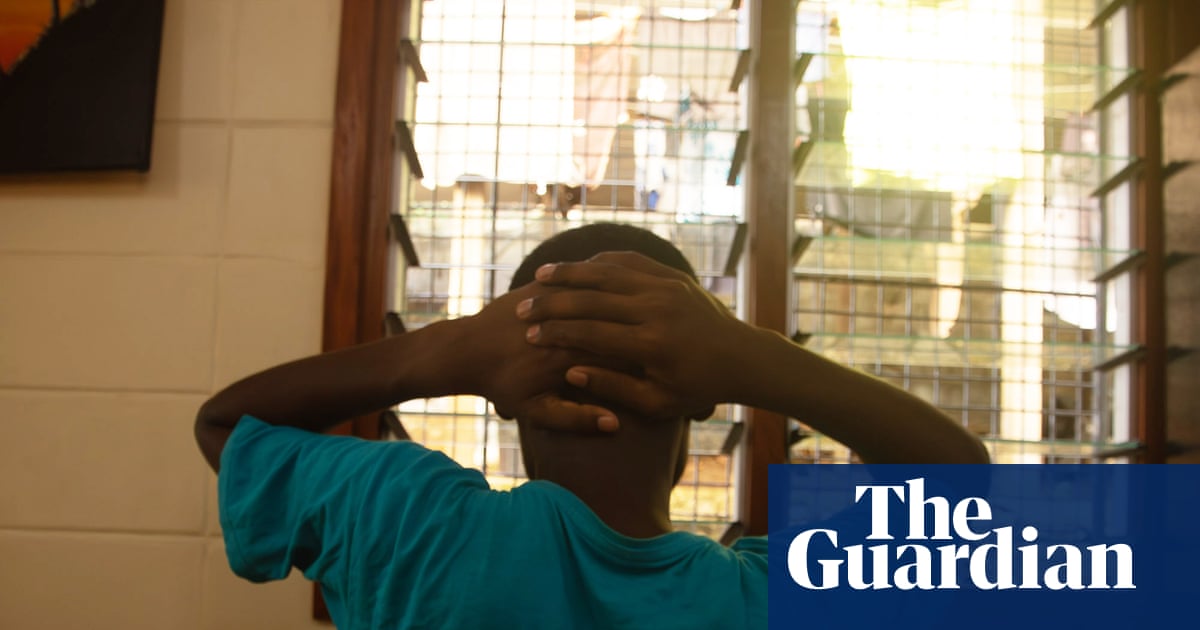
View image in fullscreen Clare found out her daughter, Andi, had HIV after a visit to the hospital for an unexplained illness. Photograph: Viniana Bau/The Guardian
No, we mean for the baby, doctors told her.
Andi was HIV positive. So were Clare and her husband. During late pregnancy or while breastfeeding, Clare had contracted the virus and passed it to her daughter, who will now live the rest of her life with a chronic disease. “I thought it was the end of the world,” Clare, who is in her early twenties, says. She turned to her husband, an injecting drug user. “He said, ‘No, I’ve been cautious with this.’ I said, ‘I don’t know. We don’t know. So we’ll just have to figure this out, for the betterment of her’.”
Clare’s young family is one of thousands caught up in Fiji’s HIV crisis, with new cases more than tripling between 2023 and 2024. More than 1,200 people were diagnosed in the first six months of 2025 alone, the world’s fastest-growing HIV epidemic amid a decline in global aid. The UN says Fiji’s location as a drug-running hub and escalating local methamphetamine use has fuelled the rapid spread, coupled with unsafe injecting practices and lack of access to clean needles. Low health awareness, cultural stigma and inadequate testing and treatment have exacerbated the crisis.
It has become a disease of the young and addicted, with half of those who contract HIV thought to have done so through contaminated needle sharing or drug preparation.
Continue Reading on The Guardian
This preview shows approximately 15% of the article. Read the full story on the publisher's website to support quality journalism.