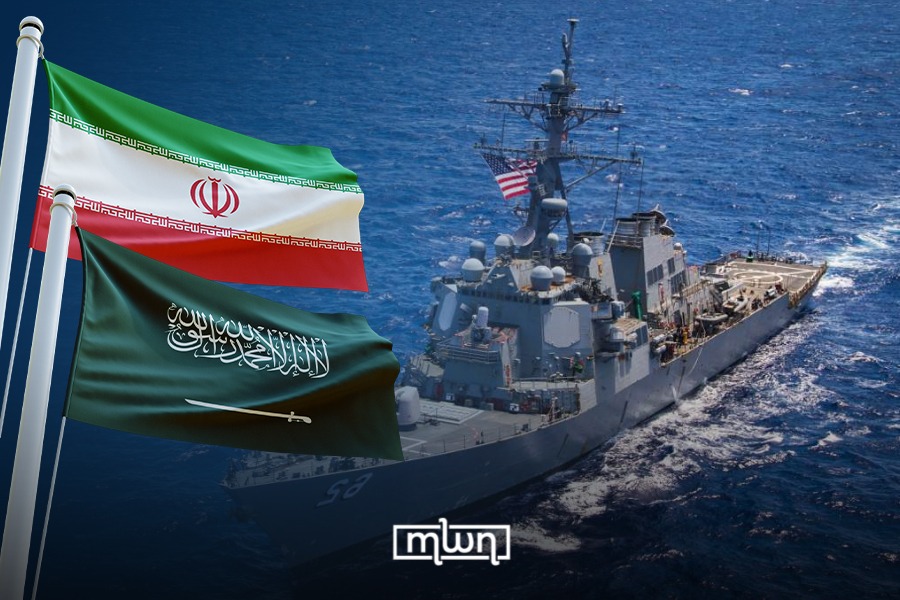
Saudi Arabia appears increasingly reluctant to support military action against Tehran — a shift that could upend decades of US security architecture in the Gulf.
While Western analysts predict Saudi Arabia will abandon Tehran if conflict breaks out, the reality is far more complex. Following the 2025 strike on Doha, Riyadh is no longer just hedging — it’s leading a new, multipolar Muslim bloc that makes a US-led war on Iran prohibitively expensive, says an Moroccan American scholar David Oualaalou.
A significant geopolitical shift is underway in the Middle East. As tensions between the United States, Israel, and Iran reach a potential point of no return, Saudi Arabia appears increasingly reluctant to support military action against Tehran.
“Every major news network is saying the same thing: Saudi Arabia will abandon Iran when war hits. They are all wrong, and not in a subtle way,” he continued, speaking on his YouTube show “Geopolitical but Trends.” Oulaalou is a geopolitical analyst and former international security advisor based in Washington DC.
Oualaalou argues that with this interpretation, Western media “is missing” the trap—the economic cage, the military component, and the religious obligation that makes abandoning Iran literally impossible. His analysis examines the factors driving Riyadh’s strategic recalibration and why the Saudi-Iranian détente may prove far more durable than conventional wisdom suggests.
After decades of close US-Saudi relations, the instinct for self-preservation may finally be overriding long-
Continue Reading on Morocco World News
This preview shows approximately 15% of the article. Read the full story on the publisher's website to support quality journalism.