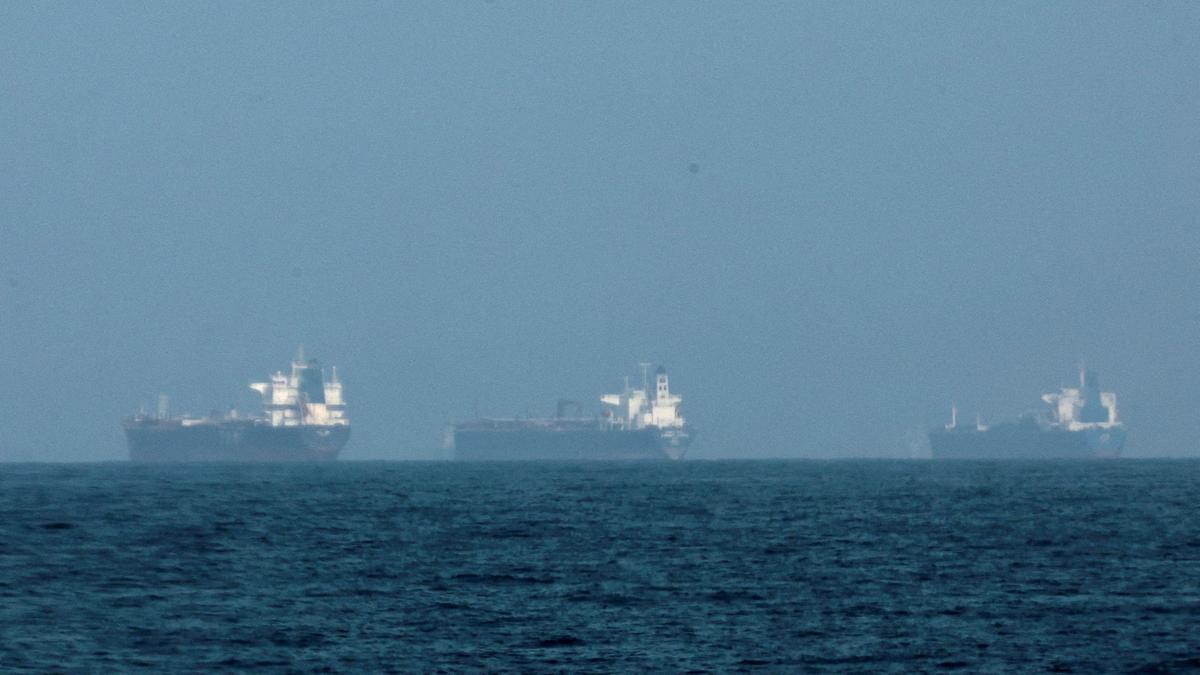
Tehran is moving to restrict – or effectively close – the Strait of Hormuz to shipping, as part of the latest escalation in the war involving Iran.
Markets have reacted to the global impact of closing this incredibly busy shipping channel, focusing on the risk to oil and gas flows, the prospect of higher crude prices and the inflationary pressures that would follow.
Read | Israel-Iran war LIVE: Bahrain’s state oil company declares force majeure on its shipments after Iran attack
That concern is justified. But it captures only part of the story. A sustained disruption of traffic through Hormuz would not simply constitute an energy crisis.
It would also represent a fertilizer shock (where prices go up dramatically and supply goes down) – and, by extension, a direct risk to global food security.
Modern agriculture runs not only on sunlight and soil, but on natural gas. When German chemists Fritz Haber and Carl Bosch developed their nitrogen fixation method in the ea
Continue Reading on The Hindu
This preview shows approximately 15% of the article. Read the full story on the publisher's website to support quality journalism.