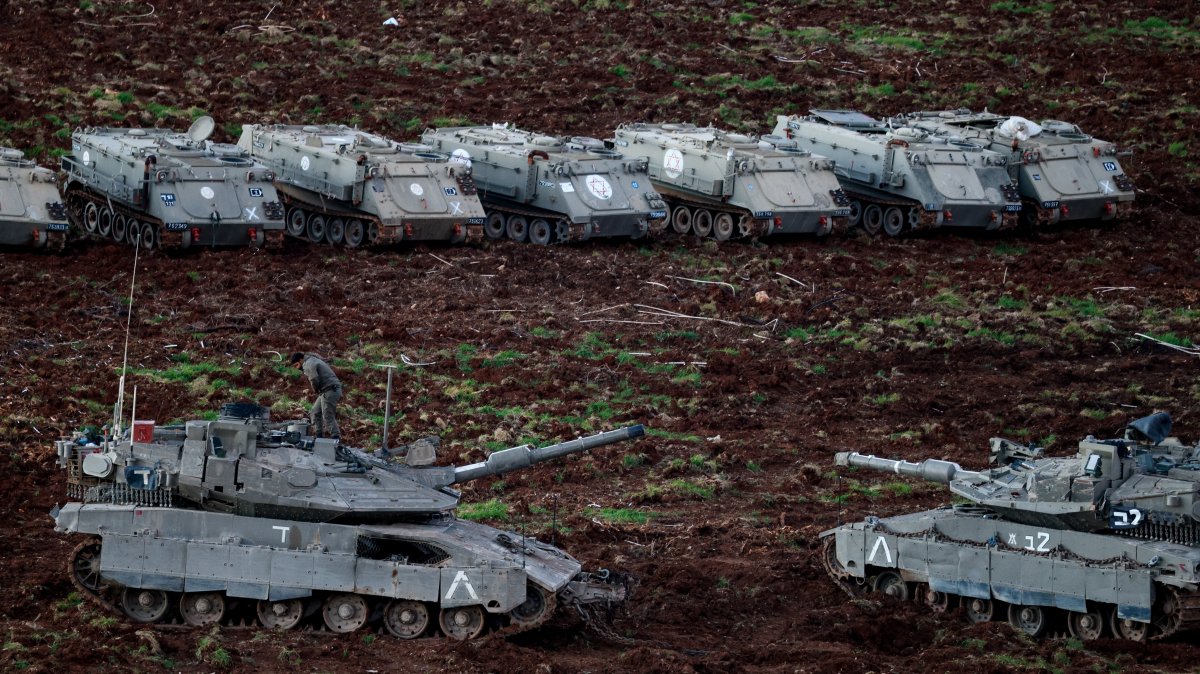
Lebanon is once again becoming one of the most dangerous arenas of the widening regional war. The war that began on Feb. 28, with the joint United States-Israeli strikes against Iran, has rapidly transformed the strategic environment across the Middle East. While the primary battlefield initially appeared to be between the U.S.-Israel and Iran, the conflict quickly expanded into a multi-front confrontation. Among the most sensitive arenas of this escalation is Lebanon, where the long-standing tension between Israel and Hezbollah has once again turned into an open military confrontation.
Yet, the current escalation in Lebanon cannot be understood merely as a sudden reaction to the war with Iran. Rather, it represents the culmination of a longer process that had been unfolding since the cease-fire agreement of Nov. 27, 2024. That cease-fire, which was supposed to stabilize the Lebanese-Israeli frontier, never truly created a durable balance. Israel continued to conduct airstrikes, targeted assassinations and military incursions across Lebanese territory, while maintaining its occupation of several strategic hilltops along the southern border.
In this context, Hezbollah adopted what its leadership repeatedly described as a policy of “strategic patience.” For approximately 15 months, the movement refrained from large-scale retaliation despite frequent Israeli violations. The logic behind this restraint was clear: Lebanon’s economic collapse, the political fragility of the state and the trauma of previous wars made another full-scale confrontation extremely costly. Hezbollah therefore, sought to rebuild its organizational structure after the leadership losses it suffered following Oct. 7, 2023, while also trying to buy time and avoid an escalation that could devastate the country once again.
However, the outbreak of the Iran war fundamentally altered this strategic calculation.
From restraint to confrontation
The war on Iran was accompanied by Israel’s simultaneous attacks in Lebanon.
Continue Reading on Daily Sabah
This preview shows approximately 15% of the article. Read the full story on the publisher's website to support quality journalism.