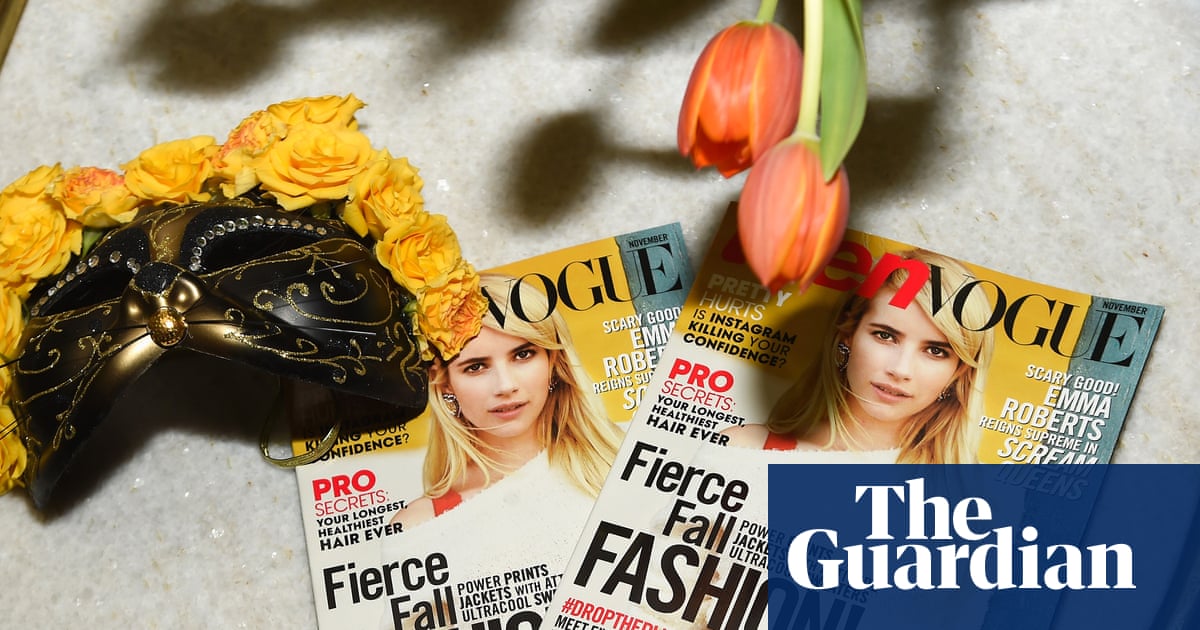
In late 2016, just a few weeks after Donald Trump won his first presidential election, Teen Vogue published a story that set the internet ablaze: “Donald Trump Is Gaslighting America.”
The story garnered more than 1.3m hits, making it the magazine’s most-read story of the year. Elaine Welteroth, then the editor-in-chief, told NPR that the day it published, Teen Vogue sold “in that month, more copies of the magazine than we had that entire year”. It was a transformative moment for the publication: proof that a magazine long associated with Disney child stars and headlines like “Prom Fever!” could shine light on the political dimensions of young people’s lives.
Over the following years, Teen Vogue deepened its coverage of politics and identity, becoming an unlikely hearth for progressive, even radical, feminism within the manicured offices of its publisher Condé Nast.
Now, nearly a decade since that “Gaslighting America” story, Trump is once again in the White House and Teen Vogue as it was once known is gone.
View image in fullscreen Elaine Welteroth helmed Teen Vogue through a politically turbulent time. Photograph: Monica Schipper/The Hollywood Reporter via Getty Images
Earlier this month, a Vogue Business article announced that Condé Nast was folding Teen Vogue into its flagship property, Vogue, to “provide a more unified reader experience across titles”. Although the article promised that Teen Vogue would “keep its unique editorial identity and mission”, it also said the outlet would now focus on “career development” and “cultural leadership” while its editor-in-chief would be stepping down.
Continue Reading on The Guardian
This preview shows approximately 15% of the article. Read the full story on the publisher's website to support quality journalism.