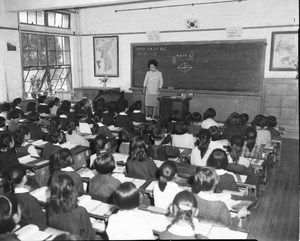
From attendance rolls to lunch lines, student numbers shape early habits of order
In the 1970s and '80s, when as many as 60 to 70 students were packed into a single classroom at school, students’ height served as a key barometer of order.
At the start of each semester, students were given numbers for checking attendance based on their height and seated accordingly, from the front to the back of the classroom. Records from the Seoul Archives show that in some schools, seating arrangements were adjusted midsemester to reflect growth spurts.
For teachers, it was more than a seating rule. It doubled as a quiet but powerful system of order, dictating how students lined up for assemblies, stretched in unison during morning exercises and smiled in perfect rows for class photos on field trips.
Fast forward to 2025, students are still numbered, though no longer by height.
For teachers, numbers bring efficiency
Today, classrooms are far less crowded, with an average of 21 to 26 studen
Continue Reading on The Korea Herald
This preview shows approximately 15% of the article. Read the full story on the publisher's website to support quality journalism.