Franck Detcheverry, Miquelon’s 41-year-old mayor, trudges up a grassy hill. “The view isn’t too bad, huh?” he jokes. The ocean sparkles 40 metres below the empty mound. The sound of a man playing the bagpipes, as if serenading the sea, floats up from the shoreline. This hill will be the location of his new home and those of all his fellow villagers.
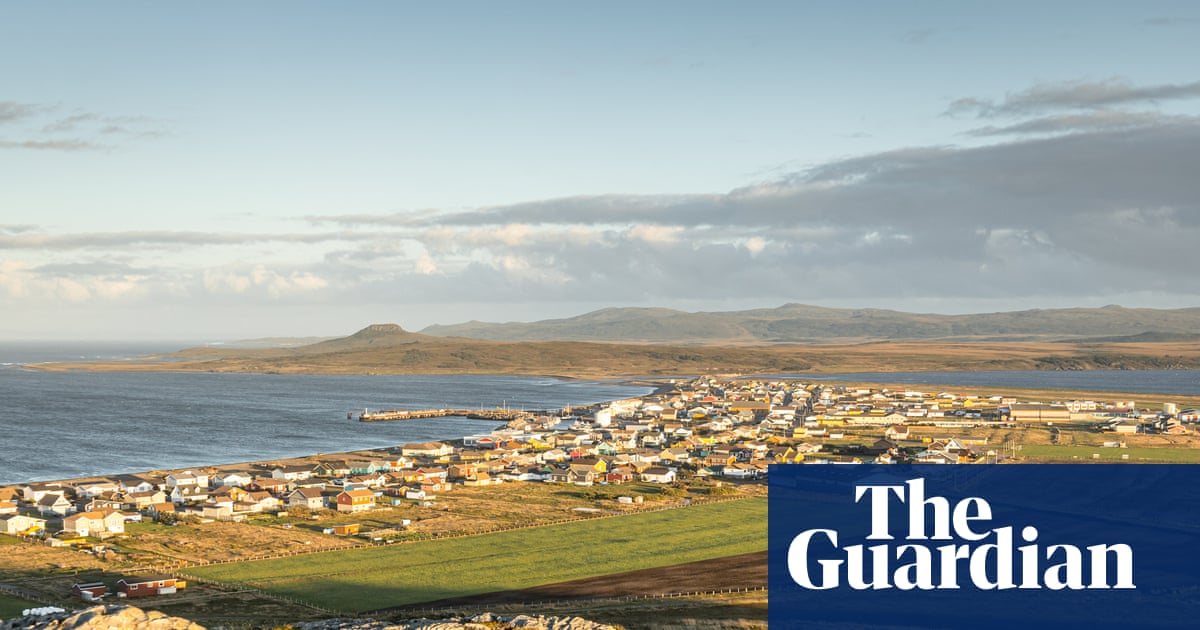
In the distance, about half a mile away, you can see the outline of the 400 or so buildings in the village of Miquelon. It sits only 2 metres above sea level on the archipelago of Saint-Pierre and Miquelon. Situated off the Canadian coast to the south of Newfoundland, it is an “overseas collectivity” of France, and the country’s last foothold in North America.
View image in fullscreen Franck Detcheverry at the site where the new village will be built. ‘We all know each other. That’s why it’s hard to carry out a project like this,’ the mayor says. Photograph: Sara Hashemi
It is the kind of place where people leave their car door open while they grab their groceries from the general store, and everyone nods bonjour as they pass you on the street.
We negotiated with the government to give us three years to build our new homes … we’re doing it little by little Franck Detcheverry, mayor of Miquelon
But just over a decade ago something happened that would change the direction of the island’s future for ever. In 2014, François Hollande became the first French head of state to set foot on Miquelon – and he delivered a huge blow to its 600 or so population: Miquelon could soon disappear because of the rise in sea level, he
Continue Reading on The Guardian
This preview shows approximately 15% of the article. Read the full story on the publisher's website to support quality journalism.