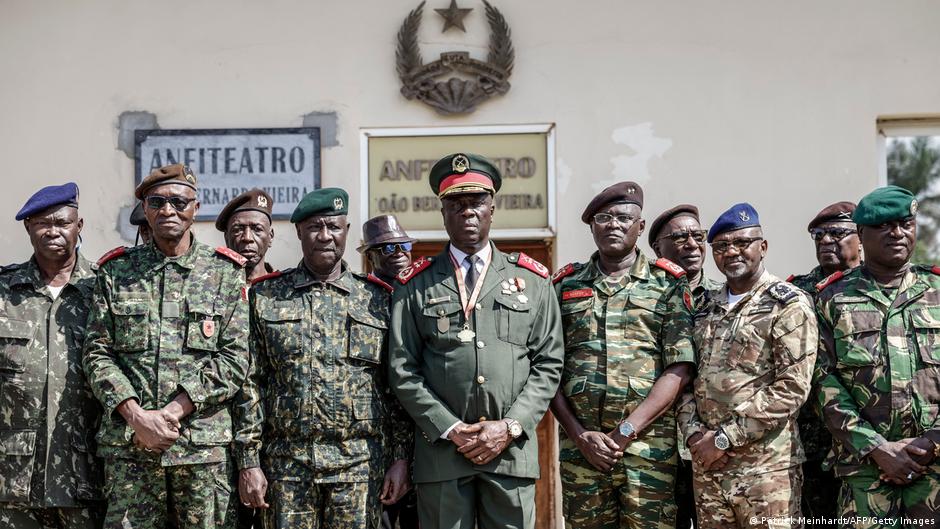
On Wednesday, a group of soldiers seized power by force in Guinea-Bissau. The parliamentary and presidential elections held on Sunday were suspended before the results could even be announced. But who's behind the coup?
The atmosphere across Guinea-Bissau was tense but calm on the morning of November 26. Three days after the presidential election, the West African nation of 2.5 million people was waiting for the official announcement of the winner by the National Electoral Commission, as most of the votes had already been counted.
At that time, both domestic and international election observers agreed: incumbent President Umaro Sissoco Embalo appeared to have been voted out of office, with non-partisan opposition candidate Fernando Dias seemingly poised to declare victory.
But at 12:40 pm local time, the sounds of machine-gun fire and panicked screams rang out from the presidential palace — as well as from the building that houses the National Electoral Commission.
Panic spread instantly, as the blare of gunfire continued for half an hour.
The actual commotion of the coup
Continue Reading on Deutsche Welle
This preview shows approximately 15% of the article. Read the full story on the publisher's website to support quality journalism.