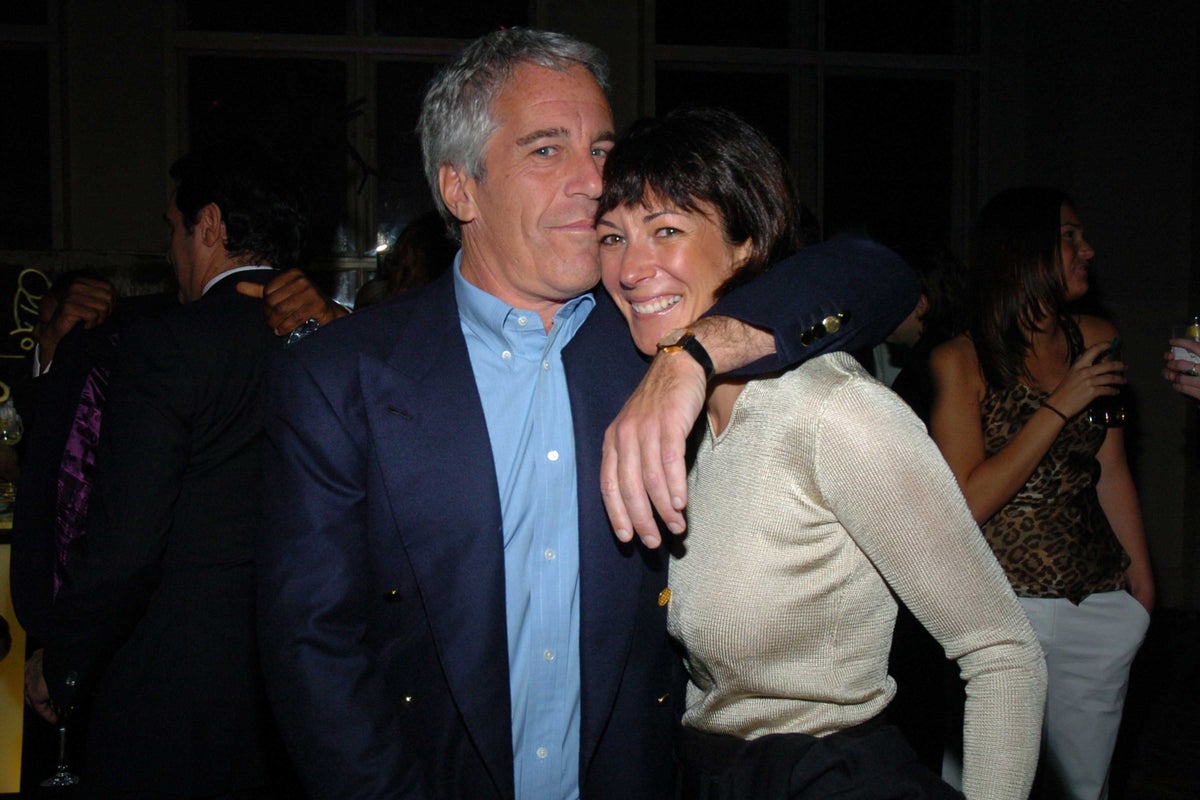
With each release of files related to Jeffrey Epstein, it becomes increasingly clear that he operated within an extensive network of high-powered and highly-connected people. What one writer calls the ‘Epstein class’. But how did the network work? What did they know? And did their proximity to the sexual abuser matter? A cache of letters that I discovered buried in a storage locker in east London sheds some light on these questions.
I came across them during my research for my biography of the British publisher George Weidenfeld. These letters are not part of the files released by the US Congress or Department of Justice, but were included in Weidenfeld’s private archive.
I was already aware of a connection between Epstein and George Weidenfeld. The Boeing 757 that Epstein used to traffic underage girls to his Caribbean island was nicknamed by the locals as the “Lolita Express”. It was a reference to the novel by Vladimir Nabokov about a professor who minimises the repeated rape and sexual assault of a 12-year-old girl. In 1959, this book, Lolita, was famously published in the UK – overturning a government ban in the process – by George Weidenfeld.
The first letters I found in George’s archives involved Ghislaine Maxwell, who is currently serving 20 years in prison for helping sex offender and billionaire financier Jeffrey Epstein abuse teenage girls.
In March 1991, the then 29-year-old Ghislaine was planning to spend a few months in New York. But she needed help to gain entry to society.
Continue Reading on The Independent
This preview shows approximately 15% of the article. Read the full story on the publisher's website to support quality journalism.