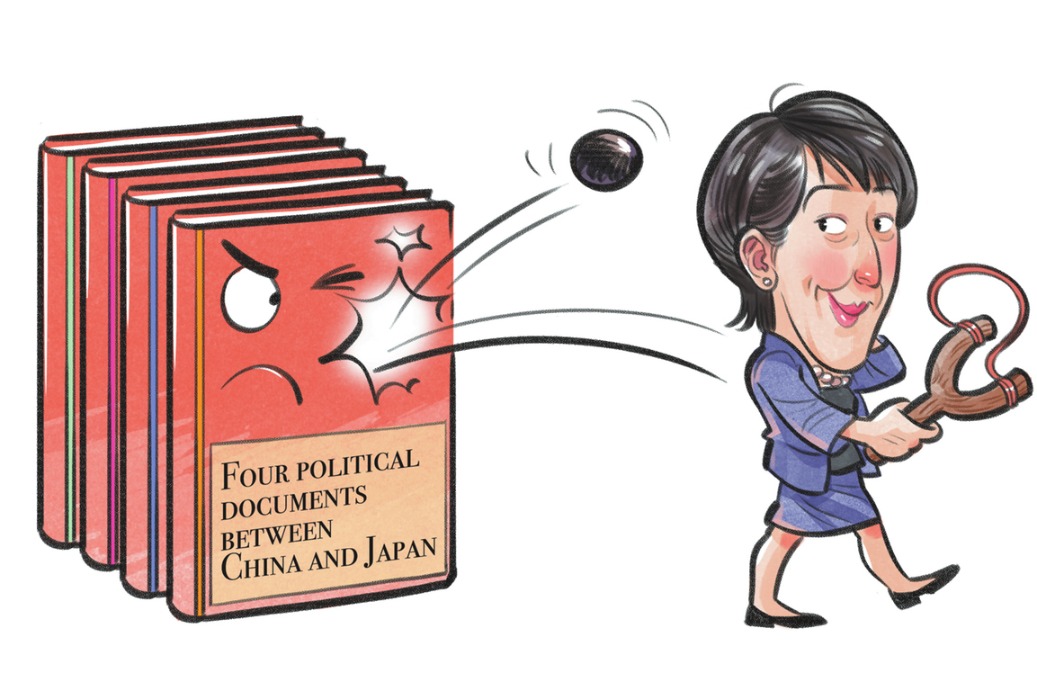
LI MIN/CHINA DAILY
When the United States occupied Japan in 1945, it did not conduct an elaborate exercise to unearth the culture of militarism. Washington debated whether to remove the emperor, the central figure in the imperial project, but following the advice of anthropologist Ruth Benedict (whose study The Chrysanthemum and the Sword was published in 1946), it opted instead to retain the emperor and other symbols of militarism. This included the Yasukuni Shrine to the war dead, founded in 1869 and now enshrining over 1,000 convicted war criminals.
A number of senior officials arrested for war crimes but never tried, and quietly resumed their positions in the Japanese state. Among them were Yoshida Shigeru, who was a senior diplomat during the war and served as prime ministe
Continue Reading on China Daily
This preview shows approximately 15% of the article. Read the full story on the publisher's website to support quality journalism.