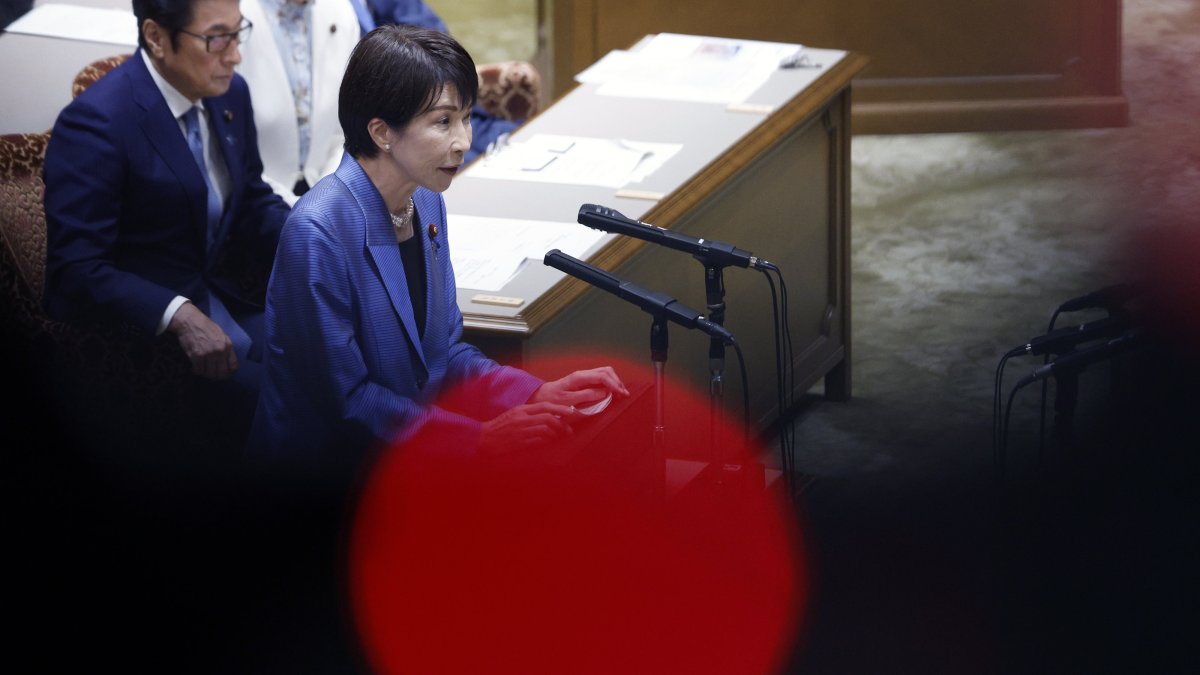
The growing diplomatic dispute between China and Japan following Japanese Prime Minister Sanae Takaichi’s recent remarks on Taiwan is more than a bilateral issue. It reflects deeper geopolitical changes across the Indo-Pacific, where shifting power balances, historical grievances and rising nationalism are pushing the region toward a new period of uncertainty.
The confrontation began after Takaichi suggested that a hypothetical Chinese attack on Taiwan could pose an existential threat to Japan, potentially allowing Tokyo to use “collective self-defense.” Her comments were immediately rejected by Beijing, which views Taiwan as an internal matter and considers foreign involvement a direct challenge to Chinese sovereignty. Three weeks later, the dispute continues to intensify rather than recede.
China’s response was sharp. Foreign Minister Wang Yi accused Japan of “crossing a red line” and warned that Tokyo’s actions could force the international community to “reexamine Japan’s historical crimes.” Such references are not accidental. Memories of Japan’s wartime occupation remain deeply sensitive in China, and political leaders often invoke them
Continue Reading on Daily Sabah
This preview shows approximately 15% of the article. Read the full story on the publisher's website to support quality journalism.