It was the kind of cold, damp morning that makes it hard to get out of bed, much less get a child out the door. The sun had not even risen when five-year-old Thomas Cooper and his mother, Annie Cooper, arrived for an appointment on 31 January at the Oxford Center in Troy, a northern suburb of Detroit, Michigan.
Thomas was an exuberant child with a button nose and pinchable cheeks – a little kid who loved running fast, playing Minecraft and watching Charlie and the Chocolate Factory, according to a GoFundMe set up by his family. He had just received money in a special red envelope for lunar new year, and he planned to spend it later that day with his little brother. But first, he was going to receive hyperbaric oxygen therapy for his attention deficit hyperactivity disorder and sleep apnea.
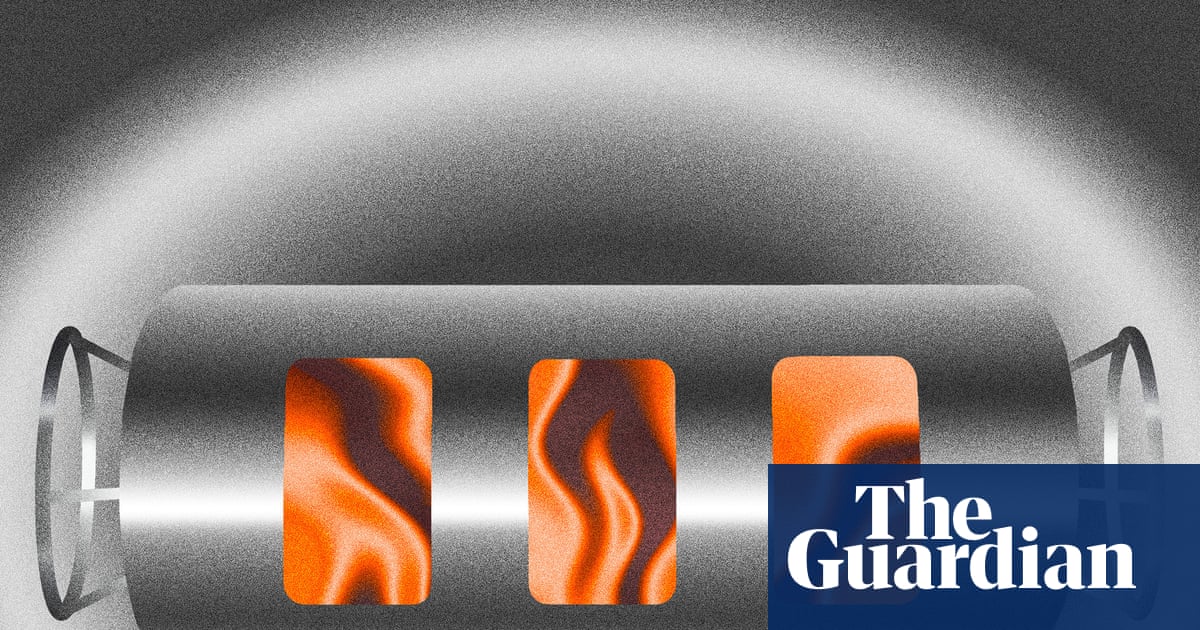
That morning, Thomas got into a tubular metal and clear plastic chamber, which was sealed, pressurized and filled with 100% oxygen. Then, according to an expert who viewed video of the incident, Thomas squirmed enough to pull the sheet off the mattress, causing a spark of static electricity. In the oxygen-rich environment, that spark became a flash fire that incinerated Thomas within seconds. Annie, desperately trying to open the tank, got badly burned on her arms and chest. When firefighters arrived just before 8am, all they could do was put out the flames.
Hyperbaric oxygen therapy (HBOT) – breathing concentrated oxygen in a highly pressurized enclosure – is prescribed by doctors for a handful of conditions such as severe burns, non-healing wounds or radiation injury. When it is provided by trained and licensed physicians and nurses in medical facilities using equipment that meets FDA regulations and is properly maintained, it is safe and effective.
View image in fullscreen A hyperbaric oxygen therapy (HBOT) chamber tank in a hospital clinic. Photograph: Edward Olive/Alamy
But hyperbaric physicians and experts told the Guardian that HBOT is increasingly being made available in wellness businesses, provided by people without medical degrees or sufficient training, including chiropractors, physical therapists and alternative medicine practitioners. Without evidence, these businesses often promote HBOT as a cure-all for everything from Alzheimer’s to ADHD to wrinkles. The website for the Oxford Center, where Thomas received HBOT, marketed it for 108 conditions including sleep apnea and ADHD – many more than the 13 approved by the FDA.
“It’s absolute anarchy and chaos,” said John S Peters, a healthcare executive and the executive director of the professional organization Undersea and Hyperbaric Medical Society (UHMS), which runs the US hyperbaric oxygen facility accreditation program. (The American Medical Association recommends that all states require HBOT facilities be UHMS accredited, though none currently do.)
Experts including Peters say that fires like the one that killed Thomas are rare. UHMS estimates that seven people have died since 2009 due to fire, suffocation or other adverse events in HBOT chambers. But they expect to see a further rise in deaths, as well as injuries, as HBOT spreads across med spas, wellness centers, private homes and other non-medical settings; you could think of it almost as if massage parlors were giving out antidepressants that also might explode. Peters believes unsafe HBOT chambers may now number in the tens of thousands in the US. Meanwhile, Maha influencers are glomming on to HBOT. And so are celebrities: Justin Bieber put chambers around his home and recording studio for his anxiety.
Continue Reading on The Guardian
This preview shows approximately 15% of the article. Read the full story on the publisher's website to support quality journalism.