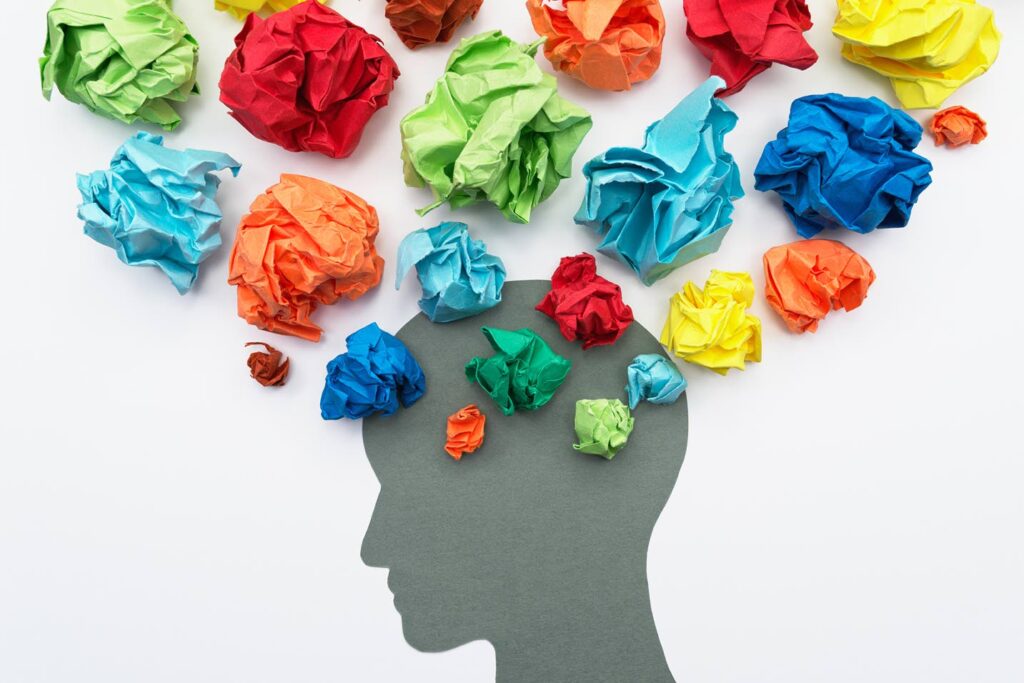
THE Jamaican psyche is a fortress. It is built on the bedrock of resilience, fortified by the mantra “wi likkle but wi tallawah”, and guarded by a cultural stoicism that demands we “tek bad tings mek laugh”. Yet, as we survey the socio-economic landscape of 2025, navigating the devastating aftermath of Hurricane Melissa while battling a crime monster that refuses to sleep, we must ask ourselves: Is this fortress protecting us, or is it becoming our prison?
For too long, mental health in Jamaica has been shrouded in silence, comedy, and shame. To truly heal our nation — not just from the physical debris of a hurricane, but from the psychic debris of history — we must dissect the cultural narratives that hold us back. We must trace the line from the hull of the slave ship to the corridors of Bellevue, and finally, to a future where mental wellness is a birthright, not a punchline.
Slavery
We cannot speak of the Jamaican mind without speaking of the Jamaican past. The genesis of our mental health crisis does not lie in modern stressors alone, but in the foundational trauma of chattel slavery. Scholars like Dr Joy DeGruy, in her seminal work on post traumatic slave syndrome (PTSS), argues that the adaptive behaviours enslaved Africans developed for survival — hyper-vigilance, suppressed anger, and the normalisation of trauma — have been passed down through generations.
Continue Reading on Jamaica Observer
This preview shows approximately 15% of the article. Read the full story on the publisher's website to support quality journalism.