If Korea really wants to improve birth rate, it needs to better support couples struggling to conceive, women say
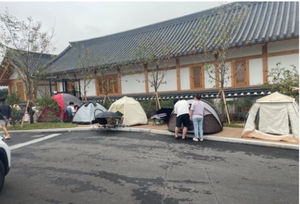
Just after midnight on a frigid Friday in February last year, Noh Hee-young and her husband loaded a tent into their car and began a long, silent drive. From Seoul’s Nowon-gu to Gyeongju, North Gyeongsang Province, the trip took nearly four hours.
When they arrived at their destination, they instantly realized they were late: There was a long line of tents already. The couple set up their own tent and waited, taking turns shivering through the night — one resting in the car and the other in the tent. At 7:30 a.m., people began tearing down their tents, faces pale from cold and exhaustion. A staff member finally emerged to hand out tickets with waitlist numbers.
The tickets ran out before reaching Noh and her husband. Despite the drive and the wait in the tent, they would not be able to see the doctor famed for helping couples conceive through traditional herbal medicine that day. They packed up their tent and drove back to Seoul.
That was two years ago. The couple, now in their late 30s, still has not had a baby, despite having undergone many infertility treatments.
Continue Reading on The Korea Herald
This preview shows approximately 15% of the article. Read the full story on the publisher's website to support quality journalism.