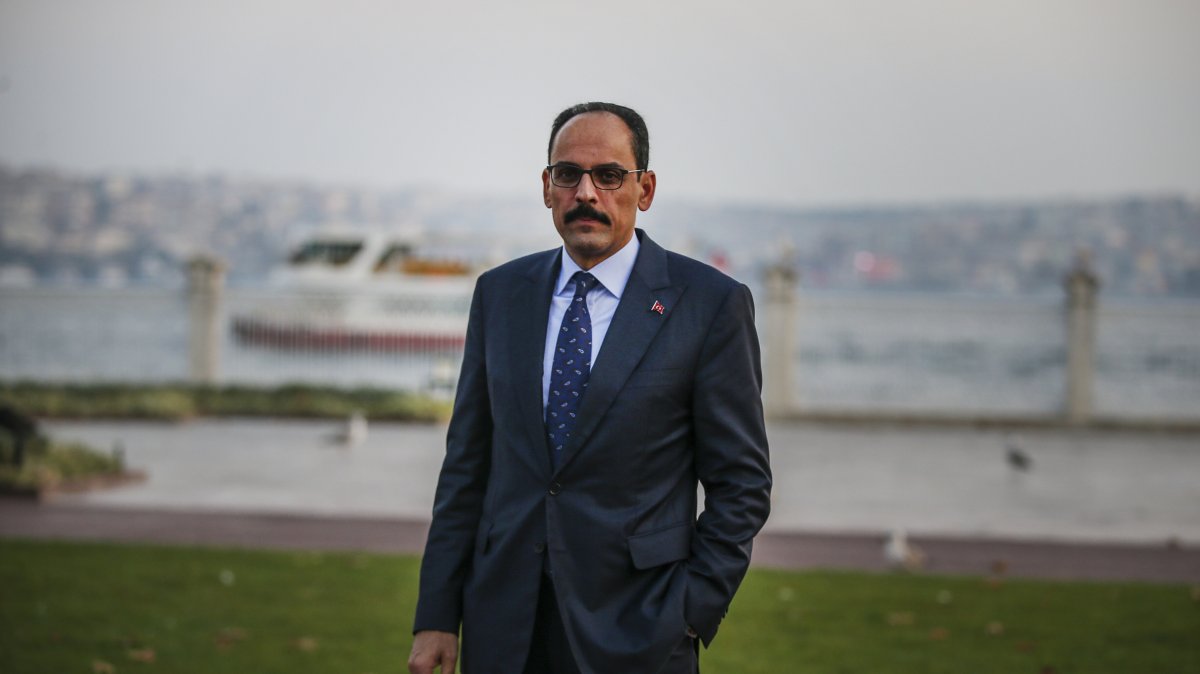
In classical understandings of intelligence, agency heads are expected to remain invisible, operationally focused and institutionally bounded. Diplomacy, on the other hand, is traditionally associated with visibility, representation and formal negotiation. The case of Ibrahim Kalın, the director of the Turkish Intelligence Organization (MIT), challenges this dichotomy. His appointment as the head of the Turkish intelligence does not represent a routine bureaucratic transition, but rather signals a conceptual shift: from intelligence leadership as operational command to intelligence leadership as strategic coordination. Actually, Kalın embodies a new model of intelligence leadership in which intelligence services function not merely as information-gathering b
Continue Reading on Daily Sabah
This preview shows approximately 15% of the article. Read the full story on the publisher's website to support quality journalism.