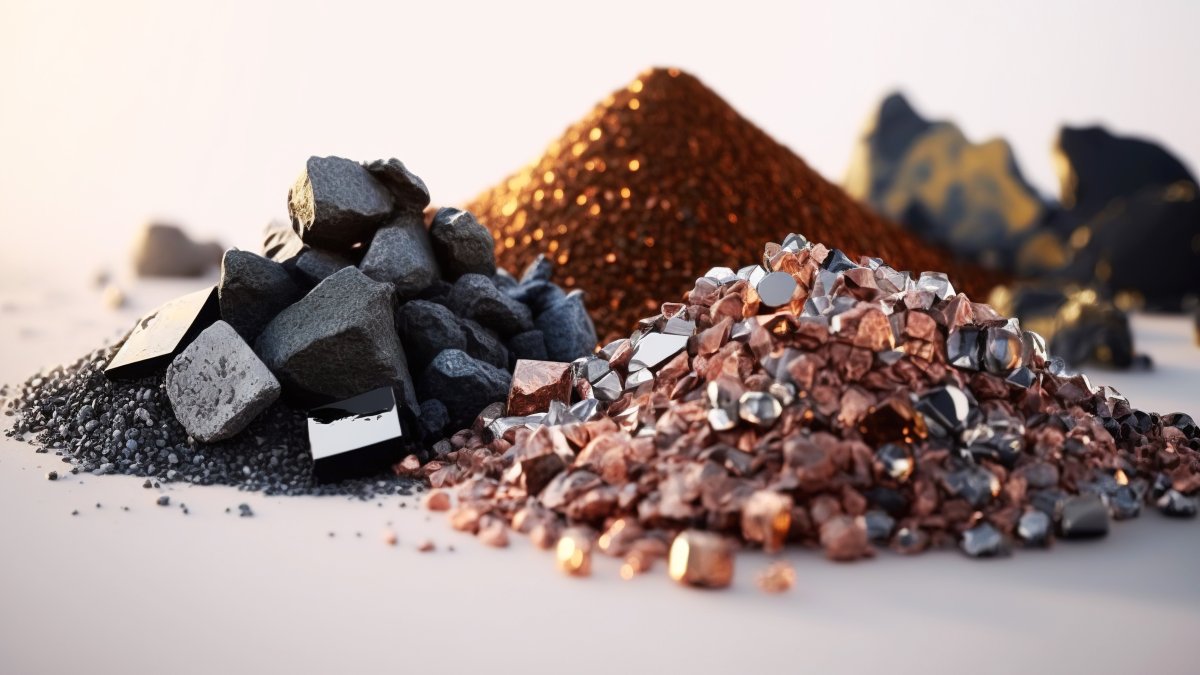
The global economy is simultaneously undergoing two major transformations: the energy transition and the deepening of digitalization. For this reason, a new geopolitical competition has emerged around rare metals, on which both processes critically depend. This transformation has moved beyond being a conventional issue of energy policy or mining strategy; it has become a comprehensive domain directly linked to technology, industry, defense, and international power balances. Rare metals are no longer merely underground resources but have become the key instruments for controlling global value chains.
In this context, the Ministry of Energy and Natural Resources’ Türkiye Critical and Strategic Minerals Report is a highly significant and pivotal document, as it situates this global landscape within a quantitative and institutional framework at the scale of Türkiye. The detailed criticality analyses conducted for 37 out of 63 candidate minerals demonstrate that Türkiye is directly affected across a broad spectrum, ranging from lithium and rare earth elements to gallium and germanium. In particular, the classification of minerals such as lithium, titanium, copper, aluminum, manganese and iron within the category of high-priority critical minerals is noteworthy in terms of the energy transition and the defense industry. In addition, the inclusion of rare earth elements in the category of highly critical minerals underscores th
Continue Reading on Daily Sabah
This preview shows approximately 15% of the article. Read the full story on the publisher's website to support quality journalism.