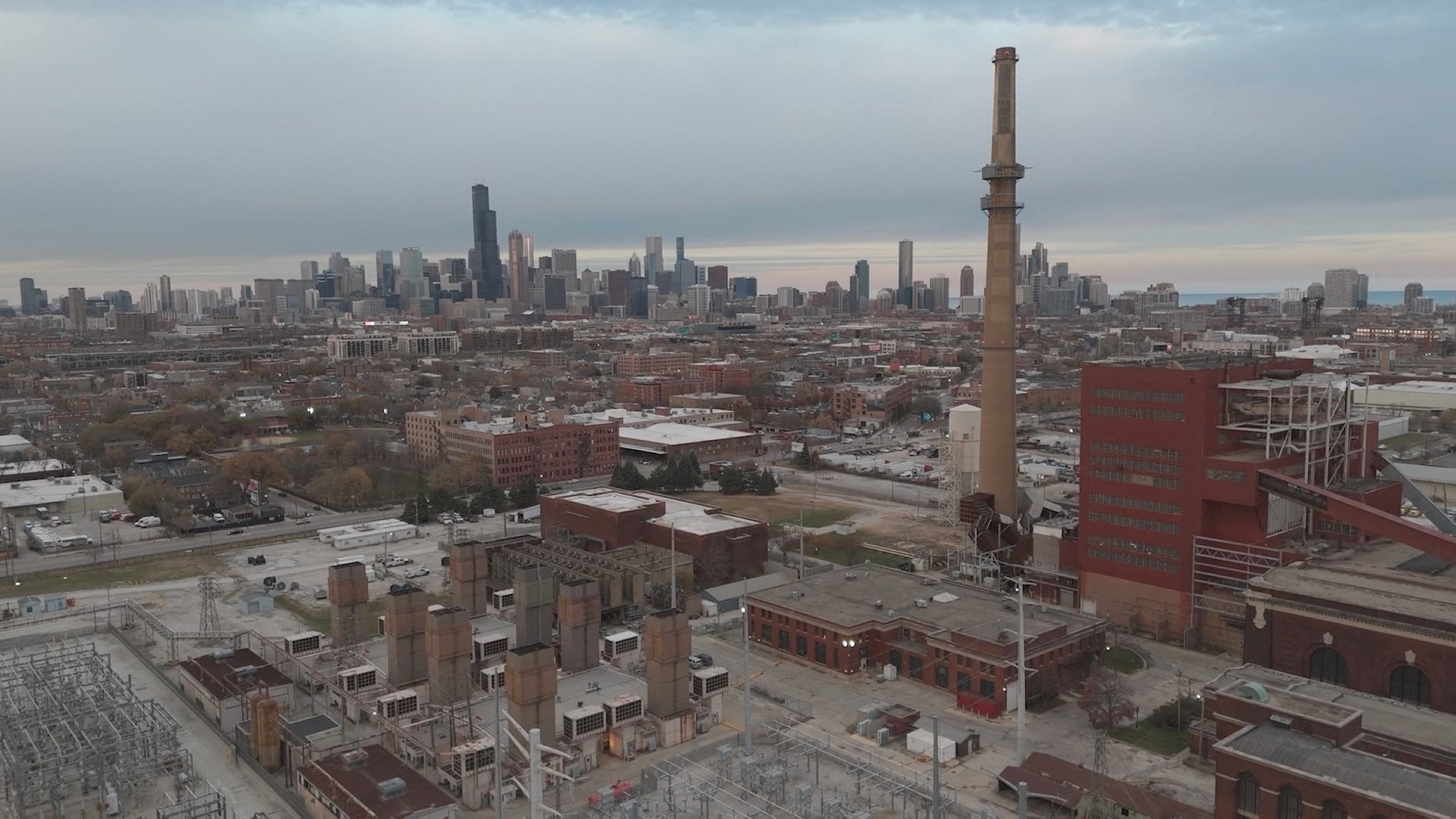
In Chicago’s working-class Pilsen neighborhood, an old oil-fired power plant dating back to the '60s rises from an industrial area behind Dvorak Park, which, in warmer weather, is at times packed with children climbing on its colorful playground and zooming down slides.
The rarely used eight-unit Fisk power plant, owned by Houston-based NRG Energy, was scheduled to retire next year. But then came artificial intelligence.
Prices shot up in the country’s biggest power market – PJM Interconnection – as electricity requests from data centers exceeded existing supplies, sounding the alarm over power shortfalls, and making Fisk and other plants like it suddenly profitable.
"We believe there's an economic case to keep them around, so we withdrew the retirement notice," said Matt Pistner, senior vice president of generation at NRG, of Fisk’s eight power-generating units.
The Fisk power plant is among a growing number of so-called "peaker" electric generating units being pressed into service across the U.S. as the nation’s electrical system faces increasing demand from data centers powering Big Tech’s investments in artificial intelligence.
Peakers, which are designed to operate only in short bursts during periods of peak electricity demand, help stave off blackouts by supplying power on a moment’s notice. But there’s a trade-off: these often decades-old, fossil-fueled facilities emit more pollution when they are running and cost more to produce electricity than continuous power plants.
A Reuters analysis of filings with the country’s biggest power grid shows that about 60% of oil, gas and coal power plants slated for retirement in PJM postponed
Continue Reading on Daily Sabah
This preview shows approximately 15% of the article. Read the full story on the publisher's website to support quality journalism.