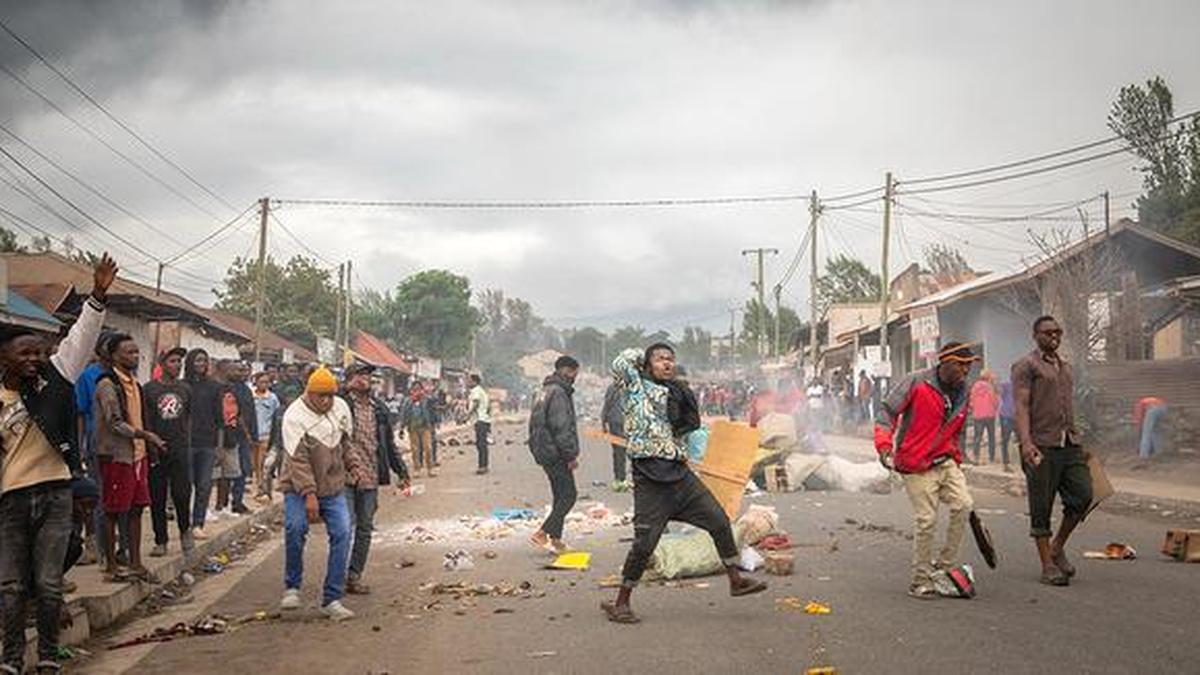
It was a tumultuous year for global politics. European countries saw a further tilt to the right, as did South America. Canada continued under the Liberal Party after Justin Trudeau stepped down. And all eyes are on Bangladesh, which witnessed waves of protests and violence, ahead of elections early next year.
We take a look at the countries which saw significant polls in 2025, and dive into the results.
Canada
What we wrote: Justin Trudeau stepped down as Canada’s Prime Minister on January 6, 2025, after almost nine years in power, amid growing unpopularity in Canada. His minority Liberal Party government, which holds only 154 of 338 seats in the House of Commons, was further weakened after the New Democratic Party ended a 2022 deal to back the party on key votes.
The Canadian Parliament, which was to resume on January 27, resumed in March, allowing the Liberal Party to pick a new leader by March 9.
The Liberal Party has seen a dip in its popularity over the last few years, even as the Conservatives led by Pierre Poilievre have made a strong showing. Also in the field were the left-of-centre Bloc Quebecois, the third-largest party in the House, which seeks to withdraw Quebec from the Canadian confederation.
What happened:Mark Carney was sworn in as the first new Prime Minister in nine years, marking an end to the Trudeau era. He was elected leader of the Liberal Party and sworn in on March 15. A political rookie, Mr. Carney is an economist, and has served as Governor of both the Bank of Canada and of the Bank of England.
In his first order as PM, he ended the unpopular consumer carbon pricing programme, an environmental policy that critics said was driving up prices for goods and energy.
In April, Canada held federal polls, and the Liberal Party won a fourth term. Although it will return as part of a minority government, it did garner its largest share of the popular vote in a decade.
Germany
What we wrote: Germany geared up for a general election to its Bundestag (the lower house of its parliament) on February 23, following the collapse of its “traffic-light” coalition of social democrats, liberals and greens in late 2024. The collapse was triggered by Chancellor Olaf Scholz firing Finance Minister Christian Lindner of the Free Democratic party (FDP), a liberal pro-business party that was part of the coalition.
Other parties in the fray are the Social Democrats (SPD), a centre-left party that is the nation’s oldest political party, led by Olaf Scholz; the Centre-right Christian Democrats, which include CDU and its Bavarian sister-party CSU, to which Angela Merkel belonged and which is now led by corporate lawyer Friedrich Merz; Die Grünen or the Greens led b
Continue Reading on The Hindu
This preview shows approximately 15% of the article. Read the full story on the publisher's website to support quality journalism.