The US’s first overt attack on an Amazon nation last weekend is a new phase in its extractivist rivalry with China. The outcome will decide whether the vast mineral wealth of South America is directed towards a 21st-century energy transition or a buildup of military power to defend 20th-century fossil fuel interests.
Although this onslaught was ostensibly aimed at one corrupt dictatorship in a miserably dysfunctional country, the ramifications are far wider.
Venezuela’s oil is the obvious – but not the only – objective. When the former Guardian journalist Seumas Milne and I interviewed Nicolás Maduro in 2014, Maduro warned of the lengths the US was willing to go to “get their hands on Venezuelan oil”. The country’s Orinoco Belt contains easily the biggest reserves in the world – more than 300bn barrels, a fifth of global stock. Donald Trump said US companies would tap these fossil fuels and “start making money for the country”.
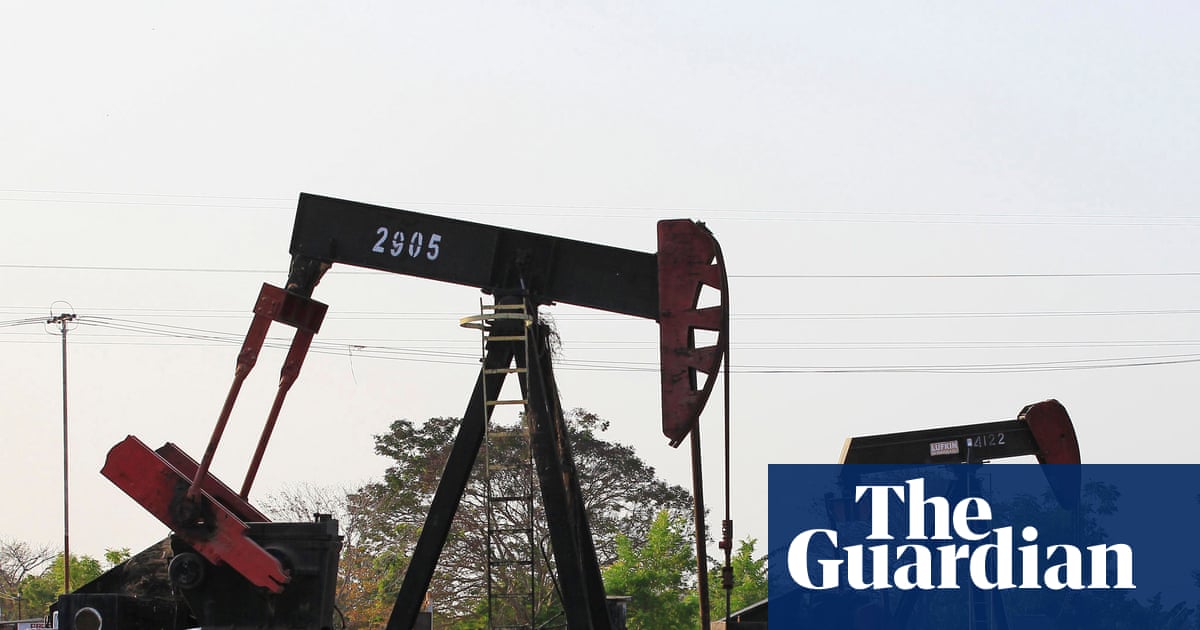
That would worsen the already dire climate crisis. It also makes little economic sense. Venezuela produces heavy, sour oil, which is hard to refine, though it is suitable for asphalt. After decades of sanctions, underinvestment and mismanagement, the industry’s infrastructure is woeful. On a visit to the Orinoco Belt, I saw old, rusting facilities and heard of sharply falling output.
Continue Reading on The Guardian
This preview shows approximately 15% of the article. Read the full story on the publisher's website to support quality journalism.