Why lack of military service remains a line too far in Korea — and why dual nationals’ choices are not just personal
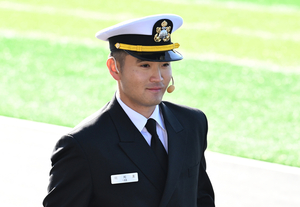
Born into one of South Korea’s most powerful families, Lee Jee-ho, the son of Samsung Electronics Chair Lee Jae-yong, stepped into the spotlight in September last year for giving up his US citizenship to serve in the South Korean Navy.
As a dual national by birth, the 25-year-old could have legally avoided conscription, but his decision not to was widely praised as a rare display of civic duty.
More than two decades earlier, a Korean American K-pop star faced a similar choice and went the opposite direction. Despite having publicly pledged to serve, Steve Yoo, then widely known as Yoo Seung-jun, renounced his Korean citizenship in 2002 in favor of being a US citizen, exempting himself from military duty in Korea. The decision sparked public outrage and led the Justice Ministry to impose a permanent entry ban on him, which remains in effect to this day.
Together, the two cases underscore how military service remains a highly consequential decision for those who hold both Korean and foreign citizenship.
Those who surrender Korean nationality to avoid conscription are often met with resentment and seen as draft dodgers if they later return to live in South Korea and enjoy many of the same benefits of Koreans here, without having had shared the burden. They have been termed by some as “black-haired foreigners.”
Legal pathways for dual nationals
To be Korean carries a certain s
Continue Reading on The Korea Herald
This preview shows approximately 15% of the article. Read the full story on the publisher's website to support quality journalism.