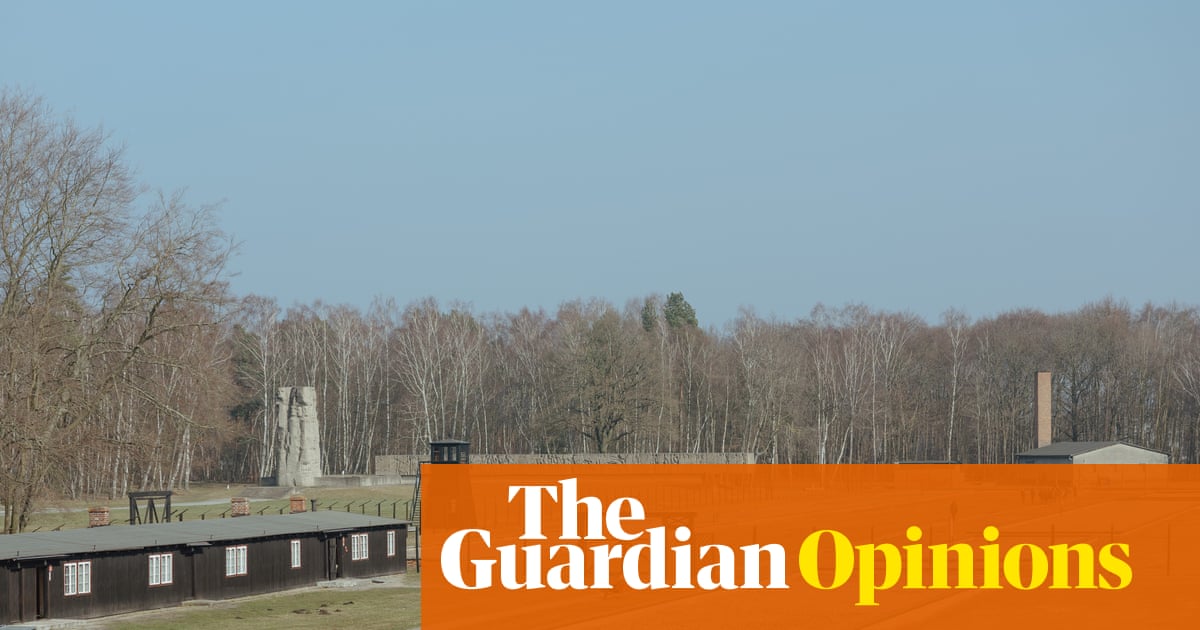
When I was nine years old, my grandfather took me to the museum at the former Stutthof concentration camp near Gdansk, in northern Poland. Established by the Nazis in the German-annexed territory of the Free City of Danzig, he had been imprisoned there as a teenager. It was his first visit since the second world war. When we went through the gate, he began to cry, to shout, to reconstruct scenes. The past returned all at once and he fell into a state of trauma. During his imprisonment he had been responsible, among other things, for carrying bodies from the camp infirmary.
Most of the most infamous Nazi death camps have been turned into memorials like Stutthof, in the hope that they can teach something to future generations and avert a repeat of this darkest of cha
Continue Reading on The Guardian
This preview shows approximately 15% of the article. Read the full story on the publisher's website to support quality journalism.