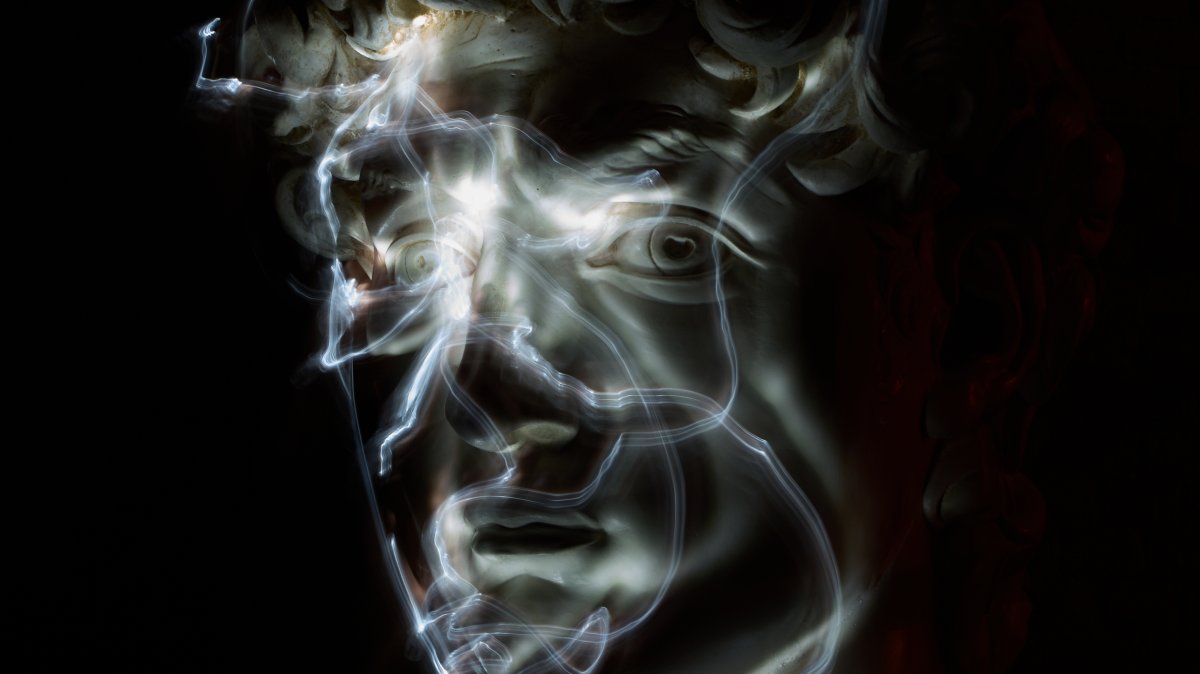
On a recent weeknight, long after the swarms of tourists had left Rome's Colosseum, a small group of people walked around outside the darkened amphitheater, pausing every so often to take in a new aspect of its history, art or architecture with every sense but sight.
Michela Marcato, 54, has been blind since birth. She and her partially sighted partner were touring the site amid a new effort by Italy to make its myriad artistic treasures more accessible to people with blindness or low vision and enhance how all visitors experience and perceive art.
As she listened to her tour guide, Marcato traced her fingers over a small souvenir model of the Colosseum. She felt the grooves of its archways and rugged rubble of its crumbled side. What she hadn't realized before holding it was the elliptical shape of building.
"Walking around it, I personally would never have realized it. I would never have understood it,” she said.
Continue Reading on Daily Sabah
This preview shows approximately 15% of the article. Read the full story on the publisher's website to support quality journalism.