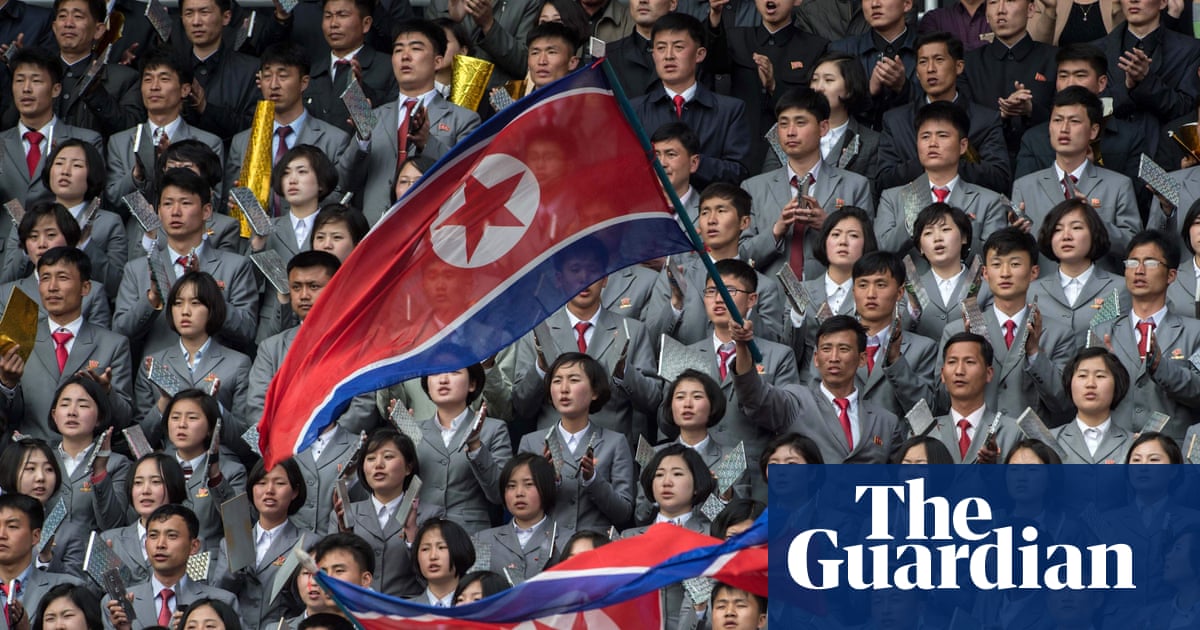
In 1986, when Norwegian delegate Ellen Wille stood on stage at Fifa’s annual congress in Mexico and demanded the creation of a World Cup for women, it sparked support from one of the room’s unlikeliest allies. Delegates from North Korea, so the story goes, were inspired by Wille’s speech and returned to Pyongyang with a plan: to use women’s football as a tool to reassert their collapsing power on the world stage.
The plan was simple: starting in the late 1980s, the government would invest heavily in the women’s game, inserting football programs into school curriculums, establishing women’s teams in the military where players trained full-time, creating youth talent identification pathways, and constructing brand-new facilities across the country.
As the nation became politically isolated, sport emerged as one of the only avenues through which North Korea could comp
Continue Reading on The Guardian
This preview shows approximately 15% of the article. Read the full story on the publisher's website to support quality journalism.