Last month, on the same day that Revolution+1 – a fictionalised account of the life of Tetsuya Yamagami, the man who assassinated the former Japanese prime minister Shinzo Abe in July 2022 – screened at London’s ICA, during a season on the radical film-maker Masao Adachi, a court in Japan sentenced Yamagami to life imprisonment.
Whether the programming was a result of foresight or sheer coincidence, the dismantling of boundaries that would otherwise keep movies hemmed inside a screen and removed from the world outside are characteristic of Adachi’s lifelong practice.
As part of the ICA’s In Focus strand spotlighting political cinema, the retrospective also included his 1969 film AKA Serial Killer, which established the director as a pioneer of “landscape theory”, and the UK premiere of his latest movie, Escape.
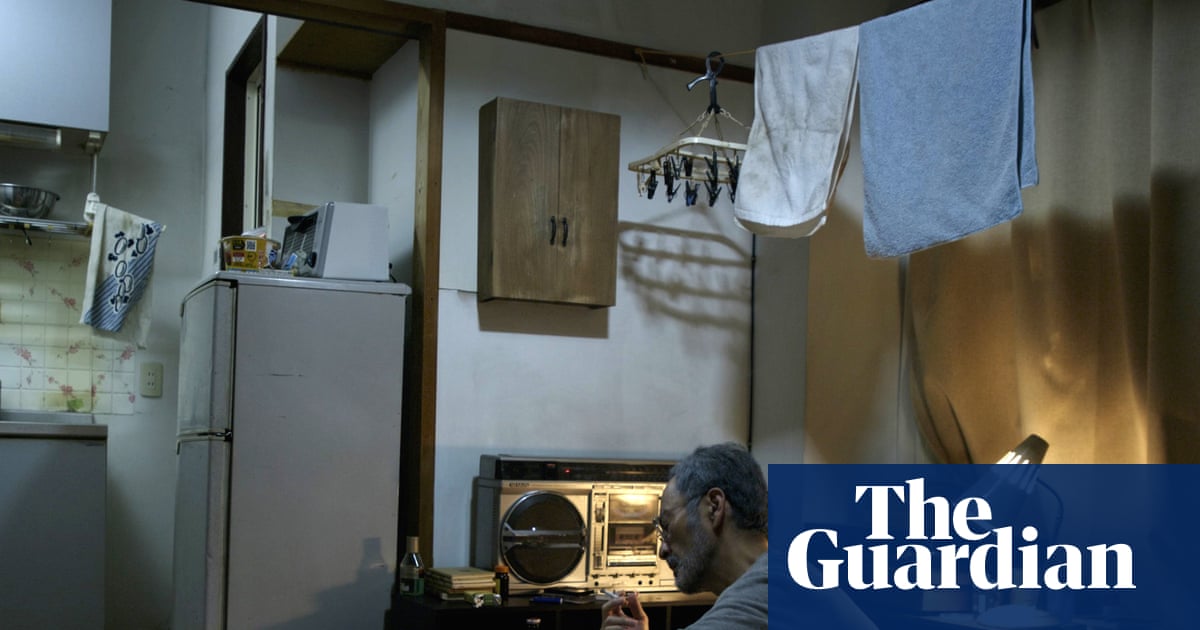
The feature-length film addresses the peculiar case of Satoshi Kirishima, an anarchist whose youthful 1970s mug shot adorned police stations across Japan – until he emerged from hiding shortly before his death two years ago. It was something that “lingered as a strange fact” for the 86-year-old film-maker.
Speaking via an interpreter from his home in Japan, Adachi said that “this film was made as soon as his death was pronounced and I wanted to explore the truth behind it”.
View image in fullscreen ‘A contrast between this image of Kirishima as a fugitive … and his smiley face’ Photograph: Eugene Hoshiko/AP
“The fact I want to point out is that there was a certain idea and myth around Kirishima, a certain image was kind of wrapped into people’s minds.
Continue Reading on The Guardian
This preview shows approximately 15% of the article. Read the full story on the publisher's website to support quality journalism.