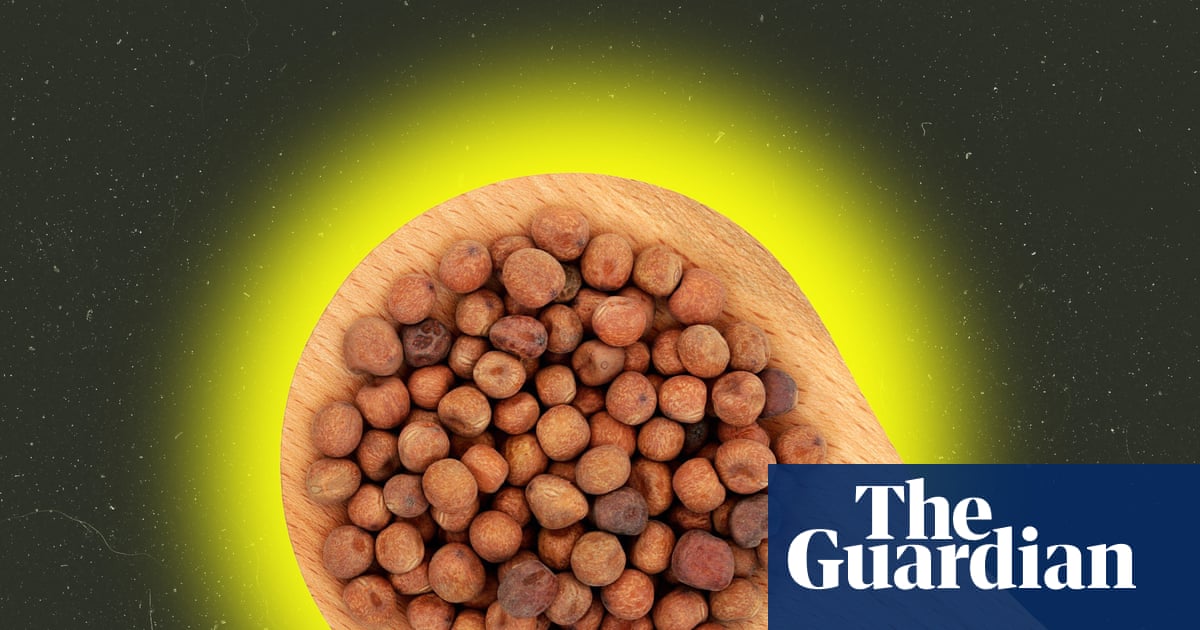
Think of a superfood. What comes to mind? Avocado? Turmeric? Quinoa? Many of us will have a grasp of the most mainstream so-called superfoods. The ones that have become dietary superheroes thanks to savvy marketing. Larger-than-life in the public imagination, they walk among us with a sheen: blueberries with their polyphenols; kale and its vitamin K; goji berries and all their antioxidants.
But what is and isn’t a superfood is actually down to trends – take the current resurgence of a previously shunned, tragically uncool food: cottage cheese. Beloved by Richard Nixon with pineapple (the Watergate tapes weren’t just illuminating in the ways Woodward and Bernstein hoped for) and a diet-culture favourite in the 60s and 70s, the creamy, tangy cheese curd concoction is back. And there are other supposed superfoods that are just as nutrient-rich, but that marketing hasn’t (yet) brought to our attention. Once a regular part of the UK diet, they have fallen, perhaps unfairly, out of favour. So which foods with serious nutritional chops have we forgotten? Which should we reintegrate?
Because, as experts point out, there isn’t really any such thing as a superfood – it’s much more about a super diet. “We all want an answer that’s a single thing. Is it fibre? Is it protein? Is it broccoli?” says Josiah Meldrum, co-founder of Suffolk-based pulse specialist Hodmedod’s. “The thing that we miss is that the real superingredient is diversity.”
Peas
View image in fullscreen Carlin peas are high in fibre. Photograph: Hodmedod’s
Everyone loves banging on about the benefits of beans, but peas are criminally overlooked. Dried peas in general have “all the same qualities as the beans”, says Meldrum. He’s not talking about the garden, petit pois kind, but varieties such as carlin – “a dark-skinned pea, that was common across the whole of northern Europe” and marrowfat, “a sort of chunky, blocky pea, which is used to make mushy peas”. They have history, too.
Continue Reading on The Guardian
This preview shows approximately 15% of the article. Read the full story on the publisher's website to support quality journalism.