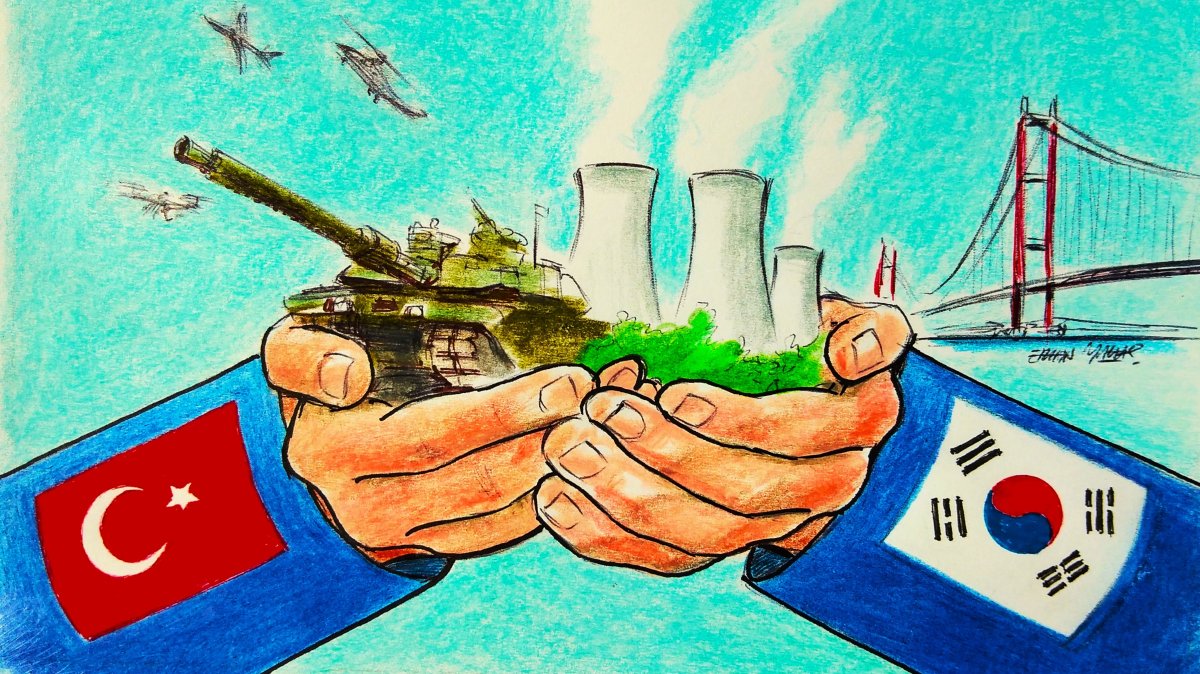
For decades, South Korea and Türkiye have described each other as “blood brothers,” a phrase rooted in shared sacrifice during the Korean War. The emotional resonance of that bond has endured across generations, shaping public perception and diplomatic warmth between the two nations. Yet history, however meaningful, does not automatically translate into strategic relevance. In today’s rapidly changing international order, the more pressing question is whether that trust can evolve into a structured, future-oriented partnership, particularly in the field of defense and strategic industries.
The global security environment has entered a period of profound transformation. Great-power competition has intensified across Europe, the Indo-Pacific and the Middle East. Supply chains are increasingly politicized. Access to advanced technologies is restricted by export controls. Defense industrial resilience has become not merely a military concern but a pillar of national strategy. In such an environment, middle powers cannot rely exclusively on traditional alliances. They must diversify partnerships, build trusted industrial networks and strengthen their own strategic autonomy.
This is precisely where South Korea-Türkiye defense cooperation becomes both timely and consequential.
Joining forces i
Continue Reading on Daily Sabah
This preview shows approximately 15% of the article. Read the full story on the publisher's website to support quality journalism.