Russia and China were barely mentioned, but they were the threats in everyone’s minds in Tallinn this week, where Nato hosted its largest ever cyber war game.
The goal of the war game, conducted 130 miles from the Russian border in Estonia, was to test the alliance’s readiness for a rolling enemy assault on civilian and military digital infrastructure.
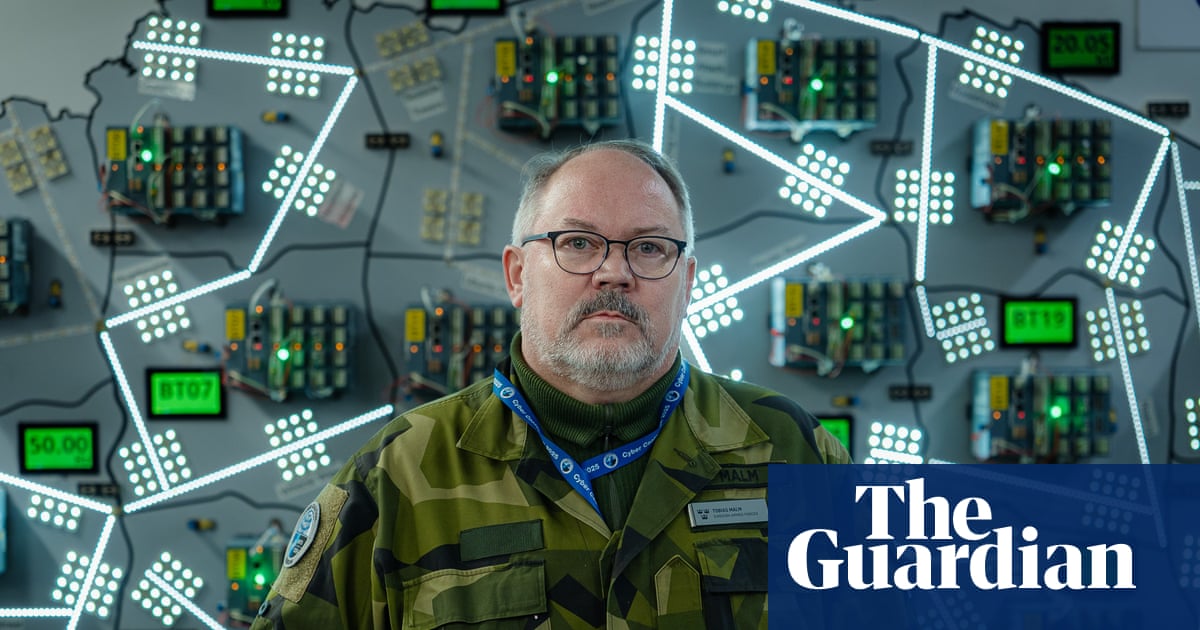
It involved hundreds of multinational troops, representing 29 Nato nations and seven allies, including Ukraine, hunkered down in CyberRange14, a facility established by the Estonian ministry of defence in the wake of a crippling Russian cyber attack in 2007, where Nato has run preparedness exercises since 2014.
Those involved looked drained as the seven-day cyberbattle ended. They had endured simulated sudden power blackouts, jammed satellites, blocked ports and public chaos. Their combat fatigues stayed spotless as they fought malware, not missiles. But even against a fictitious enemy, cyberwar was “very stressful” and “quite exhausting”, they said.
View image in fullscreen Commander Brian Caplan (centre) at the exercise in Tallinn.
Continue Reading on The Guardian
This preview shows approximately 15% of the article. Read the full story on the publisher's website to support quality journalism.