In 2023, a prolific donor to a Danish sperm bank was found to carry a genetic mutation that can contribute to childhood cancers. Some parents were never warned, an investigation by DW and European partners has found.
When the woman's phone began to ring one morning in June, she did not know that the news she would receive would hurtle her and her teenage daughter into a "tunnel" of medical appointments, tests — and fear.
On the other end of the line, she said, was the head of the fertility department at a Belgian clinic she had visited in 2011 to undergo fertility treatment, which at the time was not available to would-be single mothers in France. After her daughter was successfully conceived, she said, she had never heard from the clinic again.
The caller told her that the sperm donor she had used to conceive her daughter carried a rare genetic mutation of the TP53 gene, which suppresses cancerous growth. The mutation is linked to a heightened and lifelong risk of multiple cancers — many of which can develop at a very early age. The caller said her daughter had a 50% chance of inheriting the mutation, for which there is no cure or treatment. It was, she was told, "urgent" for her to screen her daughter for the mutation.
"It was a shock," said the woman, who asked to remain anonymous. "I didn't understand anything."
She would soon learn that her daughter did indeed carry the genetic mutation.
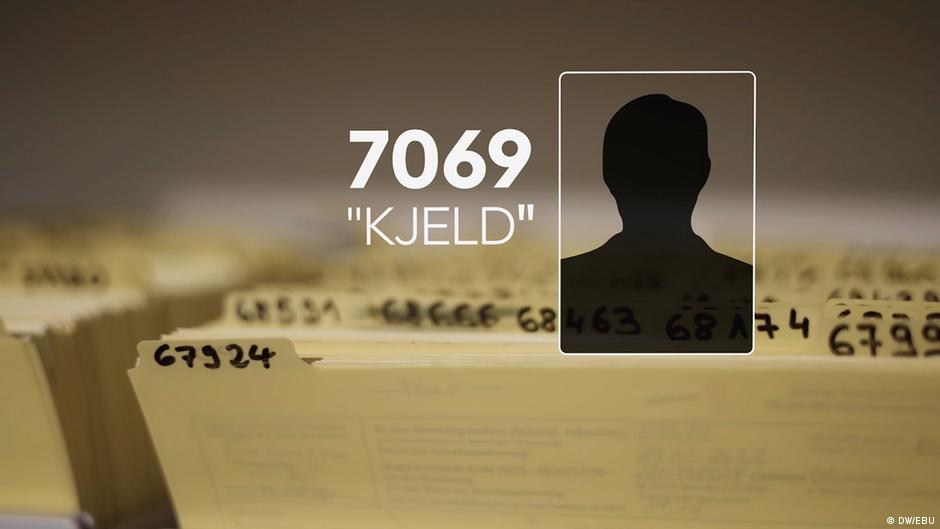
In fact, after the mutation was detected in his samples, the donor had been permanently blocked in October 2023 by the European Sperm Bank (ESB), which had sold the sperm. Though the clinic maintains that it contacted the woman "as soon as possible," it told her she received the call a year and a half after the ESB discovered the mutation because it had migrated its computer system and initially lost her contact details.
Sperm donor 7069
Coordinated by the EBU Investigative Journalism Network, an investigation by DW and several other European public broadcasters reveals that, for more than 15 years, women in at least
Continue Reading on Deutsche Welle
This preview shows approximately 15% of the article. Read the full story on the publisher's website to support quality journalism.