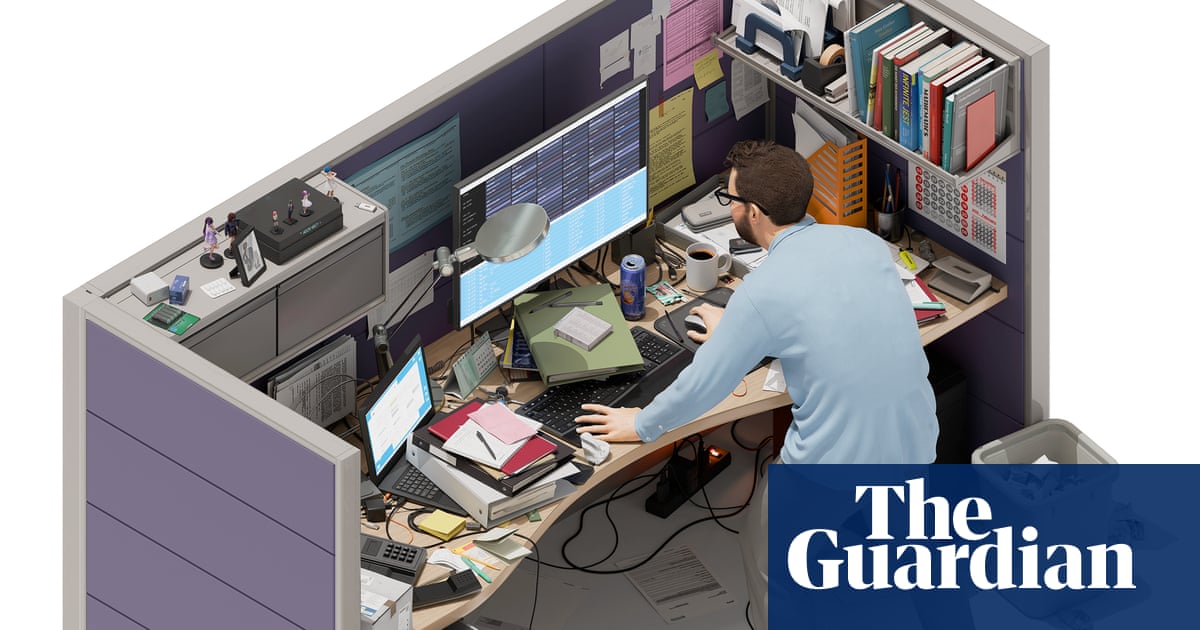
Not long after the terms “996” and “grindcore” entered the popular lexicon, people started telling me stories about what was happening at startups in San Francisco, ground zero for the artificial intelligence economy. There was the one about the founder who hadn’t taken a weekend off in more than six months. The woman who joked that she’d given up her social life to work at a prestigious AI company. Or the employees who had started taking their shoes off in the office because, well, if you were going to be there for at least 12 hours a day, six days a week, wouldn’t you rather be wearing slippers?
“If you go to a cafe on a Sunday, everyone is working,” says Sanju Lokuhitige, the co-founder of Mythril, a pre-seed-stage AI startup, who moved to San Francisco in November to be closer to the action. Lokuhitige says he works seven days a week, 12 hours a day, minus a few carefully selected social events each week where he can network with other people at startups. “Sometimes I’m coding the whole day,” he says. “I do not have work-life balance.”
Another startup employee, who came to San Francisco to work for an early-stage AI company, showed me dismal photos from his office: a two-bedroom apartment in the Dogpatch, a neighborhood popular with tech workers.
Continue Reading on The Guardian
This preview shows approximately 15% of the article. Read the full story on the publisher's website to support quality journalism.