When standup comic Tom Allen received Attitude magazine’s comedy award last year, he used his acceptance speech to salute the subversive wits who paved the way for freedoms now enjoyed by queer people in Britain. Joining Oscar Wilde and Noël Coward on the list was an actor and raconteur singled out by Allen as “a big hero of mine”, and feted by everyone from Orson Welles to Judy Garland, Maggie Smith to Morrissey.
“I wanted to mention Kenneth Williams because he was so profound,” Allen tells me. “And yet, because he was also funny, that profundity hasn’t been acknowledged. As a child, I connected with his outsiderness. Rather than trying to fit in, he went in the opposite direction. Not only did he not apologise for being different, but he was queer in every sense, truly at odds with the world in which he found himself.”
View image in fullscreen Comedian Tom Allen. Photograph: Suki Dhanda/The Observer
Williams, born to working-class London parents 100 years ago, on 22 February 1926, was close to ubiquitous in British culture in the second half of the last century. On stage, screen and radio, from bawdy comedies to chatshows and children’s entertainment, his adenoidal voice was inescapable. Up and down the class scale it slid, swanee whistle-style, from sandpapery cockney to Sandringham pomp, the elasticated vowels so capacious you could run around in them.
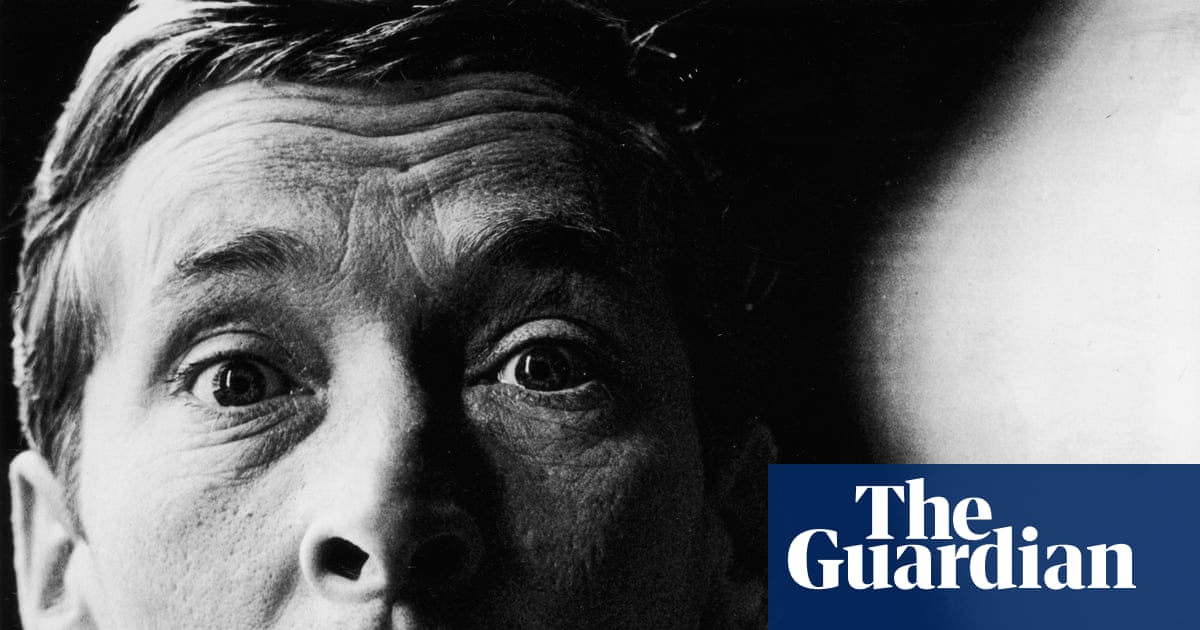
Physically, too, he was unique. He described himself as a “dried-up prune-like poof” but the reality was more arresting: he was like a living Gerald Scarfe caricature, the flared nostrils wide as shotgun barrels, the twitching eyebrows telegraphing disdain, prurience or relish, the pinprick eyes glinting at whichever punchline or put-down was coming over the horizon. When he tipped his head back and peered at the audience down his knife of a nose, he had the look of an anteater about him. But his species of comedy – erudite and highfalutin one moment, vulgar the next – put him in mind of an altogether different creature. “Perhaps it’s my duty to be a sort of mosquito,” he said.
Continue Reading on The Guardian
This preview shows approximately 15% of the article. Read the full story on the publisher's website to support quality journalism.