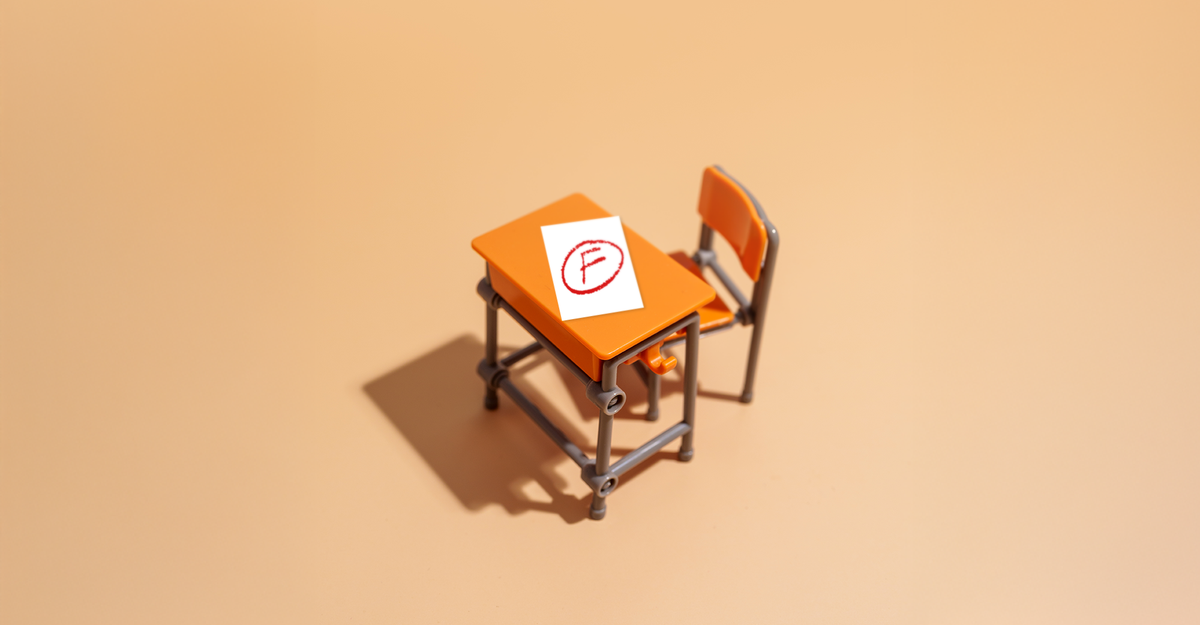
Early in my career, a mother came to my office to discuss her daughter’s calculus grade. When parents make this kind of request, I try to manage expectations by saying that as a school administrator, I have never changed a grade. Still, hopeful parents persist. In this case, the student had received a B, which her mother saw as a blemish on her otherwise spotless transcript. “I’m worried about how this will look to colleges,” she told me. “Is there any extra credit she can do?”
I explained that it’s okay to earn a B in a challenging course, and that her daughter might benefit from the experience of not being perfect. The mother looked at me as if I had suggested her child take up base jumping. “She’s never gotten a B before,” she said. “I don’t know how she’ll handle it.”
That kind of exchange perfectly captures a paradox of contemporary parenting: In trying to protect their children from any hint of failure, many parents risk making them more fragile. For years, parents and psychologists have been debating how much parental support is too much. But the stakes feel different now. In a world rife with anxiety, intensive parenting has become even more intensive, and some parents are deploying ever more sophisticated strategies to manage their children’s lives—i
Continue Reading on The Atlantic
This preview shows approximately 15% of the article. Read the full story on the publisher's website to support quality journalism.