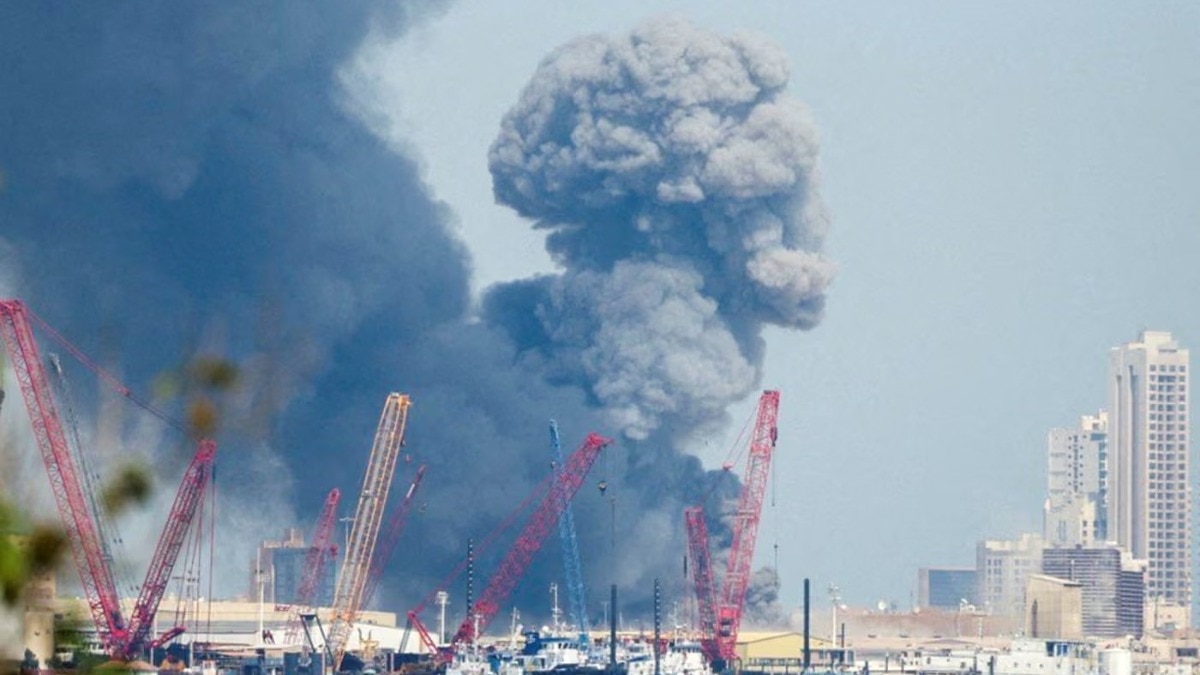
Bahrain’s national oil company, Bapco, on Monday declared force majeure after a missile attack in the ongoing US-Israel-Iran war disrupted its operations. In practical terms, the declaration informs its contractual buyers that the company cannot supply oil according to previously agreed schedules because the attack has affected its production or transportation capacity.
In such situations, invoking force majeure acts primarily as a legal shield. It protects the company from liability for delays or non-delivery caused by the disruption. Instead of being held in breach of contract, the company can suspend or delay its obligations until the disruptive event is resolved.
Read Full Story
For the global oil trade, the implications can be significant. Shipments may be delayed or cancelled, forcing buyers to seek alternative suppliers. This uncertainty can push oil prices higher and disrupt supply chains. However, invoking force majeure does not automatically terminate a contract. In most cases, it merely suspends contractual obligations temporarily until the extraordinary event ends.
WHAT IS FORCE
Continue Reading on India Today
This preview shows approximately 15% of the article. Read the full story on the publisher's website to support quality journalism.