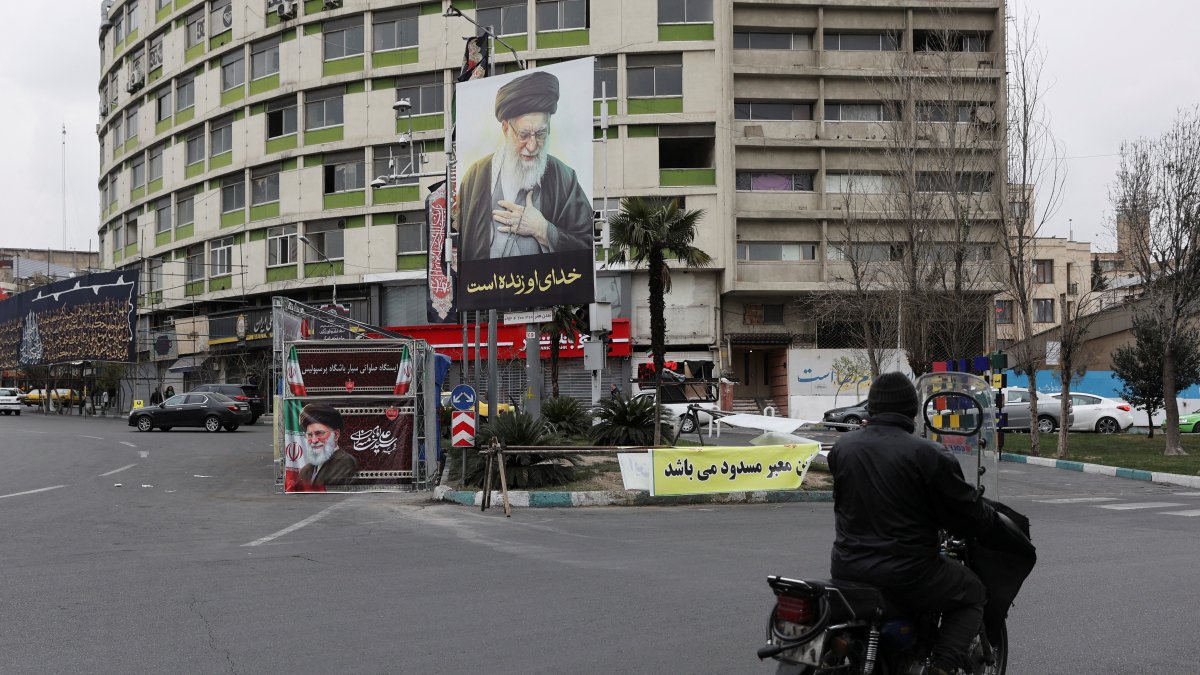
The escalation after the U.S.-Israeli-Iranian conflict is causing collateral damage to the world economy as effects spread way beyond energy prices.
The conflict is driving up energy and fertilizer prices, threatening food shortages in poorer countries, destabilizing some states such as Pakistan, and complicating options for the inflation fighters at central banks like the U.S. Federal Reserve (Fed).
Causing much of the pain: the Strait of Hormuz – through which a fifth of the world’s oil passes – was effectively shut down after the U.S. and Israel launched missile strikes Feb. 28 that killed Iranian leader Ayatollah Ali Khamenei.
"For a long time, the nightmare scenario that deterred the U.S. from even thinking about an attack on Iran and which got them to urge restraint on Israel was that the Iranians would close the Strait of Hormuz," said Maurice Obstfeld, a senior fellow at the Peterson Institute for International Economics and former chief economist at the International Monetary Fund (IMF).
"Now we’re in the nightmare scenario."
With a key shipping
Continue Reading on Daily Sabah
This preview shows approximately 15% of the article. Read the full story on the publisher's website to support quality journalism.