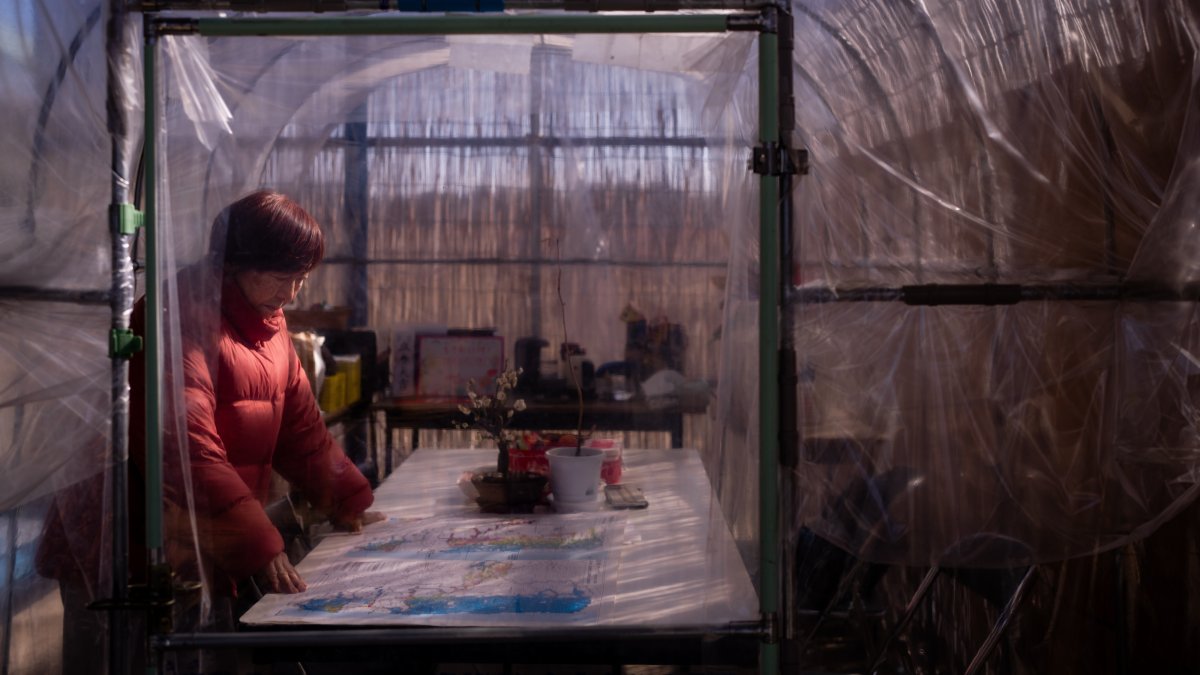
Fifteen years after the 2011 nuclear disaster, color-coded radiation maps hang on the wall of Futabaya Ryokan, the family-run inn Tomoko Kobayashi operates in her near-deserted hometown in northeastern Fukushima.
Kobayashi conducted her own radiation surveys before reopening the inn in 2016. Now, she and other monitors share radiation data as part of efforts to rebuild this once-bustling textile town.
"These empty lots used to be filled with shops,” Kobayashi says of the pre-disaster town as she heads to a radiation monitoring lab, walking past a kindergarten she attended as a child. It's now used as a museum because there are too few children since the nuclear crisis.
"There used to be businesses, community activity and children playing," she says. "We used to live our ordinary daily lives here, and I hope to see that again.”
Only about one-third of Odaka’s pre-disaster population of 13,000 have returned over the past decade.
Tomo
Continue Reading on Daily Sabah
This preview shows approximately 15% of the article. Read the full story on the publisher's website to support quality journalism.